


 Opening Hours : Mon to Sat : 10 AM to 6 PM
 Call us :
07313726805
Call us :
07313726805

 Send Inquiry
Water Permeability Tester
Price 1800000 INR/ Unit
Water Permeability Tester Specification
- Number of Specimens
- Three (3) simultaneously
- Test Material
- Concrete Cubes, Concrete Cores, or Other Building Materials
- Test Range
- 0 - 20 bar (0 - 2000 kPa)
- Port Size
- Inlet - 12 inch BSP
- Specimen Size
- 150 mm diameter x 150 mm height
- Gas Pressure
- Hydrostatic Water Pressure, up to 20 bar
- Temperature
- Ambient / Room Conditions
- Humidity
- Ambient / Room Conditions
- Type
- Floor Mounted, Manual
- Material
- SS
- Power
- 220V, 50Hz, Single Phase, 0.5 kW Electromagnetic (emu)
- Power Source
- Electricity
- Dimension (L*W*H)
- 1200 x 540 x 1850mm (L x W x H) Millimeter (mm)
- Weight
- 85 Kg Kilograms (kg)
- Usage
- Industrial Use
- Application
- Civil Engineering, Construction Quality Testing
- Mounting
- Floor Standing with Anti-Vibration Base
- Pressure Application Method
- By Water Pump and Regulator
- Safety Features
- Pressure Relief Valve & Overload Protection
- Accessories Included
- Specimen Moulds, Rubber Gaskets, Clamping Screws, Water Inlet & Outlet Pipes
- Chamber Material
- High Grade Stainless Steel for corrosion resistance
- Sample Loading
- Top Loading with Screw Clamps
- Compliance
- IS: 3085, DIN 1048, EN 12390-8 Standards
- Display
- Manual/Analog Pressure Gauge
- Control Panel
- Analog pressure gauge with regulator & timer
- Finish
- Epoxy Coated for Rust Protection
Water Permeability Tester Trade Information
- Minimum Order Quantity
- 1 Unit
- Supply Ability
- 10 Units Per Week
- Delivery Time
- Week
- Main Domestic Market
- Andaman and Nicobar Islands, Gujarat, Tamil Nadu, Madhya Pradesh, Manipur, Bihar, Daman and Diu, Himachal Pradesh, Odisha, Tripura, Rajasthan, Pondicherry, Telangana, Mizoram, Jammu and Kashmir, Kerala, Punjab, Maharashtra, Uttar Pradesh, East India, Chandigarh, North India, Delhi, Uttarakhand, Sikkim, Central India, Karnataka, South India, West Bengal, Lakshadweep, Goa, Jharkhand, West India, Haryana, Dadra and Nagar Haveli, Nagaland, Meghalaya, Arunachal Pradesh, Chhattisgarh, Assam, , Andhra Pradesh, All India
About Water Permeability Tester
Finds usage in textile industry, this Water Permeability Tester is perfect to measure the water vapor permeability of leather. The given Water Permeability Tester is developed from the quality assured stainless steel and aluminum ensures no any rust and corrosion. It is equipped with 4 600ml/min flow-meters for lower water permeability products & new design of this machine allows space-saving increased and functionality.
Feature:
- The whole machine is made of quality stainless steel and aluminium ensures no any rust and corrosion
- Equipped with 4 600ml/min flow-meters for lower water permeability products, and a 5L/min flow meter is equipped for high water permeability products
- Equipped-in water tank ensures water head pressure will not overload
- Max pressure: 300 mmH2O
- Resolution: 1 mm
- Clamping area: Dia. 50mm
- Thickness range of specimen: 0.1 ~ 10 mm
- Water-flow range: 0 ~ 5 L/min
- Power 380 V 50 Hz 1000 W
- Weight 85 Kg
- Dimensions 1200 x 540 x 1850mm (L x W x H)
| ASTM D4716 | ISO11058 |
| ISO 12958 | GB/T15789 |
| GB/T17633 | FZ/T10003 |
| JTG E50 T1141 | SL/T235 |
Water Permeability Tester Manufacturer
Water Permeability Tester Supplier
Water Permeability Tester Exporter
Durable Construction for Long-Lasting Performance
Built using high-grade stainless steel, the Water Permeability Tester resists corrosion and wear even in demanding environments. Its epoxy-coated surface provides an additional layer of rust protection, ensuring the instrument remains reliable through extensive use in industrial and construction settings.
Precise Control and Reliable Safety Features
Manual adjustment is effortless thanks to the analog pressure gauge, pressure regulator, and built-in timer. The addition of a pressure relief valve and overload protection guarantees safe operation during high-pressure testing, enhancing reliability and operator confidence.
Versatile and Standard-Compliant Testing
Designed to accommodate three specimens at once, the tester handles concrete cubes, cores, and other materials with ease. Conformance to IS: 3085, DIN 1048, and EN 12390-8 standards makes it suitable for diverse applications in civil engineering and quality control, supporting dependable results every time.
FAQ's of Water Permeability Tester:
Q: How is water pressure applied and controlled during a test?
A: Water pressure is applied using a water pump and regulator, while a manual analog pressure gauge allows for precise monitoring and adjustment. The system can test up to 20 bar (2000 kPa) of hydrostatic pressure, suitable for rigorous permeability evaluations.Q: What types and sizes of specimens can be tested with this instrument?
A: The tester is designed for concrete cubes, concrete cores, and various building materials. Specimens should have a diameter and height of 150 mm, and up to three samples can be tested simultaneously for efficient throughput.Q: Where is this Water Permeability Tester typically used?
A: This instrument is primarily used in industrial laboratories, civil engineering institutes, and construction quality assurance facilities-wherever water permeability testing of concrete and building materials is essential for project integrity.Q: What are the main safety features of the device?
A: Key safety features include a pressure relief valve to prevent over-pressurization and overload protection to safeguard both the operator and equipment during high-pressure tests.Q: Can the instrument be mounted securely, and does it resist vibration?
A: Yes, the tester is floor-mounted with an anti-vibration base. This ensures stable operation during testing, minimizing result distortions from external movement or vibration.Q: What accessories are included with the Water Permeability Tester?
A: It comes complete with specimen moulds, rubber gaskets, clamping screws, plus water inlet and outlet pipes, providing all necessary peripherals for conducting standardized and efficient tests.Q: What standards does this instrument comply with, and what benefits does compliance provide?
A: The tester adheres to IS: 3085, DIN 1048, and EN 12390-8 standards, assuring users of valid, internationally recognized testing procedures. Compliance facilitates acceptance of results in global quality control and engineering contexts.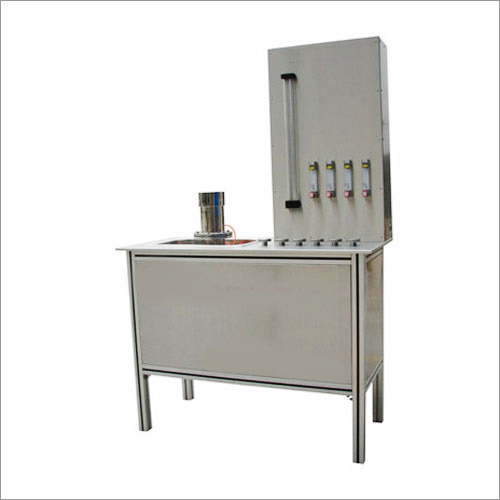

Price:
- 50
- 100
- 200
- 250
- 500
- 1000+

More Products in Geo Textile Non Woven Testing Equipment Category
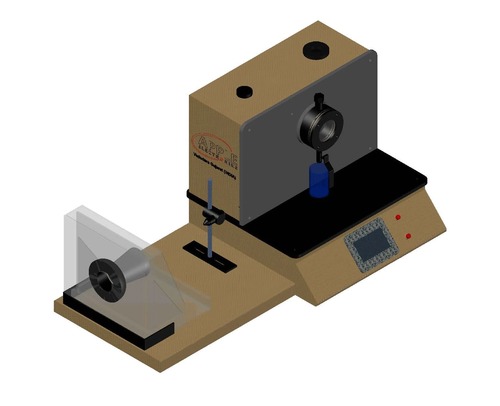
Synthetic Blood Penetration Tester
Minimum Order Quantity : 1 Piece
Usage : Testing penetration resistance of protective apparel and medical masks against synthetic blood
Material : Stainless Steel (Main Body), HighQuality Acrylic (Test Chamber)
Power Source : 220V AC, 50 Hz
Type : Other, Automatic, Digital Display
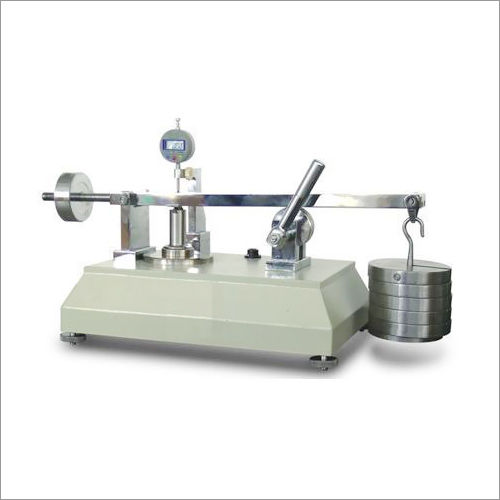
Wet Sieving Thickness Tester
Price 1700000 INR / Unit
Minimum Order Quantity : 1 Unit
Usage : Industrial Use
Material : SS
Power Source : Electric
Type : Other, Wet Sieving Thickness Tester
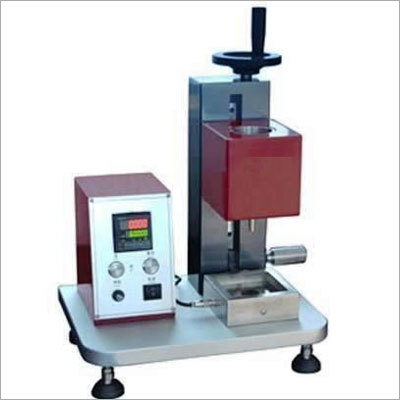
Liquid Strike Through Time Tester
Price 8.94000 INR / Unit
Minimum Order Quantity : 1 Unit
Usage : Industrial Use
Material : SS
Power Source : Electric
Type : Other, BenchTop Laboratory Equipment
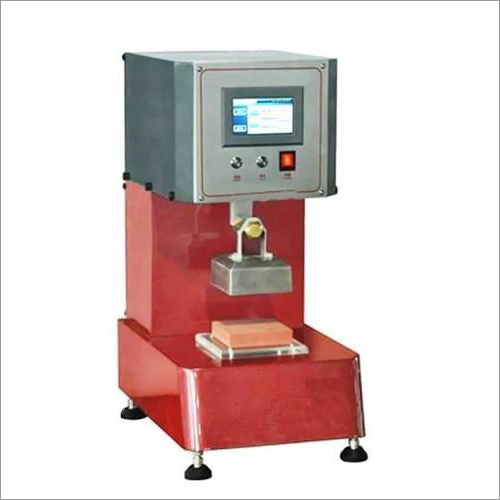
Wetback Tester
Price 17000000 INR / Unit
Minimum Order Quantity : 1 Unit
Usage : Industrial Use
Material : SS
Power Source : Manual
Type : Other, Digital Wetback Tester


- B, 314-315, Hub Town, Makarpura Bus Depot, Vadodara - 390010, Gujarat, India
- Phone : 07313726805

- Mr Vinodkumar Gaikwad (CEO)
- Mobile : 07313726805
- Send Inquiry
- A-40, Unnadeep Complex, Tower-A, Susen Tarsali Ring Road, Tarsali, Vadodara - 390010, Gujarat, India
Mr. Vinodkumar (CEO)
Mobile :+919998755997, +919558979952
 Send Inquiry
- Fiber Testing Machine
- Fabric Recovery Testing Machine
- Strength and Fatige Testing Machine
- Color Fastness Testing Machine
- Abrasion and Pilling Testing Machine
- Flammability Testing Machine
- Universal Testing Machine
- Shrinkage Testing Machine
- Sampling Machine
- Dyeing and Finishing Machine
- Geo Textile Non Woven Testing Equipment
- Color Machining Testing Equipment
- Cotton Ginning Machine
- Yarn Testing Machine
- Oil Extraction Apparatus
- Laboratory Air Compressor
- WIRE TESTING MACHINE
- Textile Testing Equipment
- Flammability Tester
- Pull Testers
- Fibers Testing Equipment & Machine
- Texture Analyzer


Developed and Managed by Infocom Network Private Limited.

