


 Opening Hours : Mon to Sat : 10 AM to 6 PM
 Call us :
07313726805
Call us :
07313726805

 Send Inquiry
Vertical Lab Padder
Price 1100000 INR/ Unit
Vertical Lab Padder Specification
- Specimen Size
- Maximum 300 mm width
- Test Range
- Adjustable up to 5 kg/cm2
- Temperature
- Ambient to 50C
- Test Material
- Textile/Fabric
- Humidity
- Ambient
- Number of Specimens
- Single specimen at a time
- Type
- Vertical Lab Padder
- Material
- SS
- Power
- 220V, 50Hz Volt (v)
- Power Source
- Electric
- Dimension (L*W*H)
- 840x680x1450mm(LxWxH) Millimeter (mm)
- Weight
- 140 Kg Kilograms (kg)
- Usage
- Industrial Use
- Application
- Dyeing, Finishing, Lab Testing
- Safety Feature
- Emergency Stop Button
- Roller Length
- 320 mm
- Collection Tray
- Removable Drip Tray Included
- Roller Material
- High Grade Stainless Steel
- Roller Diameter
- 110 mm
- Mounting Type
- Floor Mounted
- Pressure Adjustment
- Manual, with calibrated scale
- Speed Control
- Variable, up to 25 rpm
- Noise Level
- < 60 dB
- Roller Surface Finish
- Polished & Corrosion Resistant
Vertical Lab Padder Trade Information
- Minimum Order Quantity
- 1 Unit
- Supply Ability
- 10 Units Per Week
- Delivery Time
- Week
- Main Domestic Market
- South India, Andhra Pradesh, East India, Pondicherry, Tripura, Manipur, Gujarat, Andaman and Nicobar Islands, Mizoram, Tamil Nadu, Sikkim, Jammu and Kashmir, Arunachal Pradesh, Jharkhand, Haryana, West Bengal, North India, Punjab, Lakshadweep, Goa, Daman and Diu, Chhattisgarh, Odisha, Assam, Meghalaya, Uttar Pradesh, Dadra and Nagar Haveli, Central India, Delhi, Telangana, Uttarakhand, Chandigarh, Madhya Pradesh, Rajasthan, Maharashtra, Himachal Pradesh, , West India, Nagaland, Bihar, Karnataka, Kerala, All India
About Vertical Lab Padder
We offer Vertical Lab Padder which is known for its good flexibility and long life. The offered product is made from stainless steel and equipped with 2 pressure valve, each side of pressure is adjustable, offered range is equipped with emergency button and a knee pedal to stop the machine operation. The offered Vertical Lab Padder is acknowledged for its qualities like high performance, easy to operate and less maintenance.
Specifications:
- Working width : 400mm
- Rollers : Dia. 130mm,with 70 shore hardness
- Working speed : 5m/min
- Rollers loading : 0.1-0.7Mpa
- Padding rate : 20-90%,adjustable
- Equipped with 2 pressure valve,each side of pressure is adjustable
- All panels are amde of stainless steel
- Equipped with tank
- Power/Air 220 V 50/60 Hz 0.4-0.7Mpa
- Weight 140 Kg
- Dimensions 840x680x1450mm(L x W x H)
Vertical Lab Padder Manufacturer
Vertical Lab Padder Supplier
Vertical Lab Padder Exporter
Engineered for Industrial Textile Applications
This Vertical Lab Padder is specifically crafted to meet the demands of dyeing, finishing, and lab testing in textile manufacturing. Its high-grade stainless steel construction ensures superior durability, while polished, corrosion-resistant rollers guarantee long-term performance and sample integrity. With adjustable pressure and speed controls, the device supports a wide array of fabric testing requirements, making it essential for quality assurance and research laboratories.
Optimized Performance and Safety Features
Featuring an intuitive manual pressure control mechanism with a calibrated scale, users can fine-tune the test range up to 5 kg/cm2 for precise operations. The variable speed function, adjustable to a maximum of 25 rpm, allows for optimal processing conditions across different test scenarios. The integrated emergency stop button ensures user safety, and a noise level below 60 dB provides a comfortable working environment.
FAQ's of Vertical Lab Padder:
Q: How does the Vertical Lab Padder control pressure during textile tests?
A: The Vertical Lab Padder utilizes a manual pressure adjustment system, complete with a calibrated scale, allowing operators to precisely set and monitor the pressure applied during testing up to 5 kg/cm2. This adjustment mechanism ensures repeatable and consistent finishes on textile specimens.Q: What materials and specimen sizes can this lab padder accommodate?
A: The device is engineered to handle textile and fabric materials for dyeing, finishing, and lab testing purposes. It can accommodate a single specimen at a time with a maximum width of 300 mm, matching the needs of most standard lab requirements.Q: When should I use the variable speed function, and how high can it be set?
A: The variable speed control should be used when the processing needs differ based on fabric type or desired finish. The speed can be adjusted up to 25 rpm, enabling optimal conditions for a wide range of laboratory and production applications.Q: Where can the device be installed, and what are its electrical requirements?
A: Designed as a floor-mounted unit, the Vertical Lab Padder requires a stable laboratory or industrial setting. It operates using a standard 220V, 50Hz electric supply, ensuring compatibility with typical industrial setups.Q: What process is followed for dyeing or testing using the padder?
A: The process involves placing a single fabric specimen (up to 300 mm wide) between the rollers, adjusting pressure and speed as needed, initiating the test, and collecting excess solution in the removable drip tray. Operating within ambient to 50C temperature and ambient humidity ensures adaptability for various lab testing protocols.Q: What safety features are included with the Vertical Lab Padder?
A: Safety is a priority; the padder is equipped with an emergency stop button, allowing operators to immediately halt operation if necessary. Its noise level is maintained below 60 dB, promoting both operator safety and comfort.Q: What are the main benefits of using this Vertical Lab Padder in a laboratory setting?
A: Key benefits include precise control over pressure and speed, compatibility with various textiles, corrosion-resistant construction, and user-friendly maintenance. These features deliver reproducible, high-quality results while ensuring simple operation and safety for industrial laboratory environments.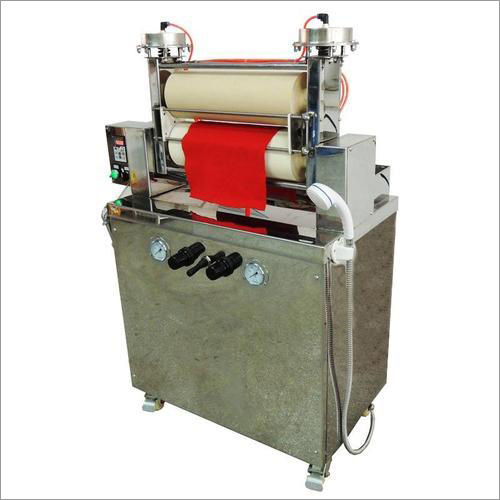

Price:
- 50
- 100
- 200
- 250
- 500
- 1000+

More Products in Dyeing and Finishing Machine Category
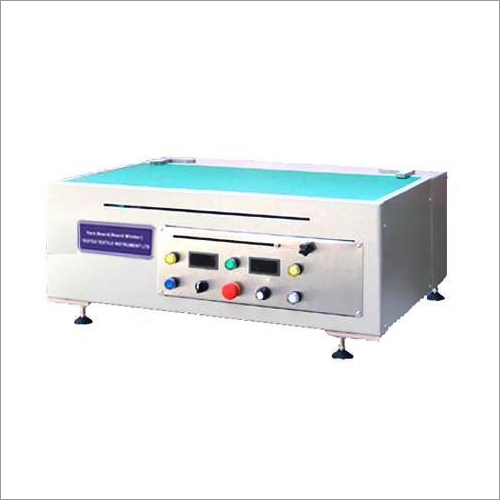
Lab Magnetic Printer
Price 1700000 INR / Unit
Minimum Order Quantity : 1 Unit
Material : SS
Type : Other, Lab Magnetic Printer
Power Source : Electric
Usage : Industrial Use
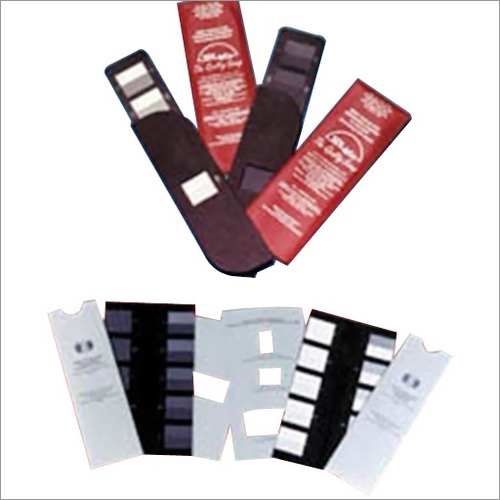
Grey Scale
Price 19800 INR / Unit
Minimum Order Quantity : 1 Unit
Material : SS
Type : Other, Grey Scale for Assessing Change in Colour
Power Source : Manual
Usage : Industrial Use
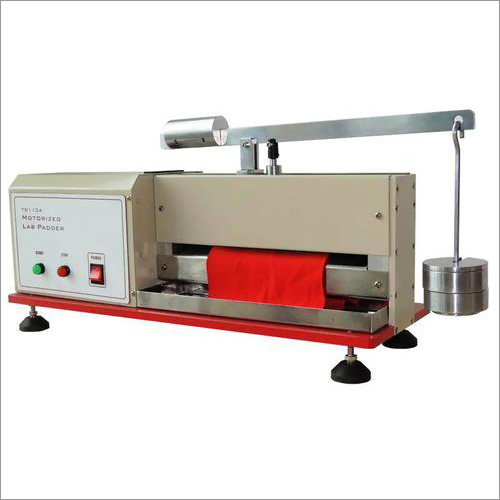
Motorized Wringer
Price 14 INR / Unit
Minimum Order Quantity : 1 Unit
Material : SS
Type : Other, Motorized Wringer
Power Source : Electric
Usage : Industrial Use
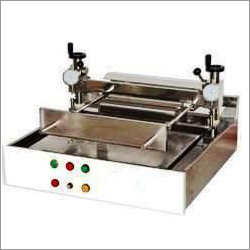
Lab Coater
Price 1700000 INR / Unit
Minimum Order Quantity : 1 Unit
Material : SS
Type : Other, Table Top
Power Source : Electric
Usage : Industrial Use


- B, 314-315, Hub Town, Makarpura Bus Depot, Vadodara - 390010, Gujarat, India
- Phone : 07313726805

- Mr Vinodkumar Gaikwad (CEO)
- Mobile : 07313726805
- Send Inquiry
- A-40, Unnadeep Complex, Tower-A, Susen Tarsali Ring Road, Tarsali, Vadodara - 390010, Gujarat, India
Mr. Vinodkumar (CEO)
Mobile :+919998755997, +919558979952
 Send Inquiry
- Fiber Testing Machine
- Fabric Recovery Testing Machine
- Strength and Fatige Testing Machine
- Color Fastness Testing Machine
- Abrasion and Pilling Testing Machine
- Flammability Testing Machine
- Universal Testing Machine
- Shrinkage Testing Machine
- Sampling Machine
- Dyeing and Finishing Machine
- Geo Textile Non Woven Testing Equipment
- Color Machining Testing Equipment
- Cotton Ginning Machine
- Yarn Testing Machine
- Oil Extraction Apparatus
- Laboratory Air Compressor
- WIRE TESTING MACHINE
- Textile Testing Equipment
- Flammability Tester
- Pull Testers
- Fibers Testing Equipment & Machine
- Texture Analyzer


Developed and Managed by Infocom Network Private Limited.

