


 Opening Hours : Mon to Sat : 10 AM to 6 PM
 Call us :
07313726805
Call us :
07313726805

 Send Inquiry
Motorized Wringer
Price 14 INR/ Unit
Motorized Wringer Specification
- Specimen Size
- Up to 250mm x 250mm
- Number of Specimens
- 2 simultaneously
- Humidity
- Ambient
- Test Range
- Suitable for a variety of textile samples
- Test Material
- Textile, Fabric
- Temperature
- Room temperature operation
- Type
- Motorized Wringer
- Material
- SS
- Power
- 1 HP Watt (w)
- Power Source
- Electric
- Dimension (L*W*H)
- 750x250x300 mm(LxWxH) Millimeter (mm)
- Weight
- 50 Kg Kilograms (kg)
- Usage
- Industrial Use
- Application
- Testing fabric or textile samples for wringing properties
- Safety Features
- Protection guards provided
- Finish
- Powder coated
- Control Panel
- Integrated with start/stop buttons
- Mobility
- Mounted on caster wheels
- Noise Level
- Low noise operation (< 65 dB)
- Roller Material
- Stainless Steel
- Operation
- Electric motor with reduction gearbox
- Roller Diameter
- Approx. 50 mm
Motorized Wringer Trade Information
- Minimum Order Quantity
- 1 Unit
- Supply Ability
- 10 Units Per Week
- Delivery Time
- Week
- Main Domestic Market
- Maharashtra, Assam, South India, Rajasthan, Gujarat, Goa, Himachal Pradesh, Daman and Diu, West India, Central India, West Bengal, Manipur, Telangana, , Uttar Pradesh, Delhi, Pondicherry, Nagaland, Lakshadweep, Haryana, Andhra Pradesh, Bihar, Odisha, Tamil Nadu, Karnataka, Tripura, Punjab, Sikkim, Madhya Pradesh, Jharkhand, Mizoram, Kerala, Chhattisgarh, Jammu and Kashmir, East India, Uttarakhand, North India, Dadra and Nagar Haveli, Arunachal Pradesh, Chandigarh, Andaman and Nicobar Islands, Meghalaya, All India
About Motorized Wringer
Motorized Wringer
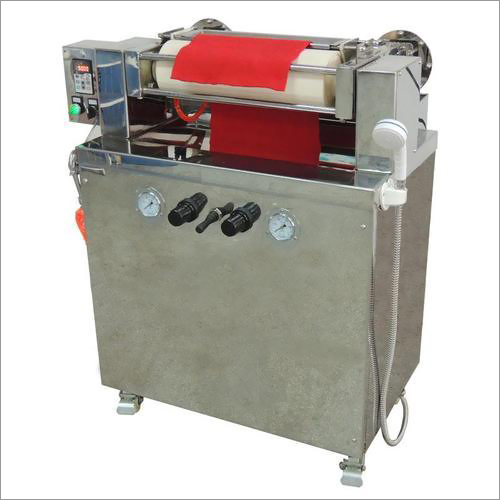
Well-known for its features like digital screen, long service life, guaranteed motor used, needs less maintenance and accurate result, this Motorized Wringer is utilized for many kind of textile test to precisely ensures the rest liquid of specimens. This is basically a mechanical laundry that is having two rollers in a sturdy frame, connected by cogs. The offered wringer is best suited to flatten or press sheets, kitchen clothing, tablecloths & towels.
Specifications: Motorized Wringer
- Working width: 300mm
- Rollers: Dia. 54mm, made of neoprene
- Working speed: 25mm/s
- Dead weight loading: up to 80Kg
- Equipped with tank
- Loading Weights: 0.5Lb x1Pc, 1Lb x2Pcs, 2Lb x4Pcs
- Power 220 V 50/60 Hz 4 A
- Weight 50 Kg
- Dimensions 750x250x300 mm(L x W x H)
Motorized Wringer Manufacturer
Motorized Wringer Supplier
Motorized Wringer Exporter
Efficient and Reliable Textile Sample Testing
The motorized wringer streamlines textile and fabric sample testing by automating wringing processes with an electric motor and reduction gearbox. Its stainless steel build and powder-coated finish ensure durability, while noise remains minimal for comfortable use. Operators can easily manage the process via an integrated control panel, designed for straightforward and safe operation.
Superior Safety and Mobility Features
This unit features comprehensive protection guards, greatly minimizing operator risk during use. Caster wheels make it easy to relocate within a laboratory or production floor, so testing can be conducted wherever it's needed. The compact dimensions and sturdy 50-kg design strike a balance between stability and portability.
FAQ's of Motorized Wringer:
Q: How is the fabric or textile specimen loaded and processed in the motorized wringer?
A: To use the motorized wringer, simply load up to two textile or fabric samples (each up to 250mm x 250mm) between the stainless steel rollers. Operation is initiated via the start button on the control panel, allowing the electric motor and reduction gearbox to ensure even, controlled wringing of your specimens.Q: What types of materials and tests is this wringer suitable for?
A: This motorized wringer is specially designed for testing a variety of textile and fabric samples, including woven and non-woven materials. It assesses the wringing properties of these textiles, making it highly suitable for quality control, research, or development in textile industries.Q: When should I use a motorized wringer instead of a manual alternative?
A: A motorized wringer should be used when consistent, repeatable, and efficient sample processing are critical, such as in industrial and laboratory settings. Its automated operation minimizes manual effort while maximizing sample throughput and repeatability, making it ideal for regular or high-volume testing tasks.Q: Where can this motorized wringer be installed or used?
A: Thanks to its compact design and mobility via caster wheels, the motorized wringer can be installed in various industrial or laboratory environments, including textile manufacturing plants, quality assurance labs, research institutions, or supplier testing facilities.Q: What is the primary benefit of using this motorized wringer for textile testing?
A: The primary benefit is its ability to provide accurate, consistent, and repeatable wringing tests for textile materials. Its robust construction, electric-powered process, and safety features ensure high-quality, reliable test results while improving workflow efficiency.Q: How does the control panel enhance the user experience and safety?
A: The integrated control panel features user-friendly start/stop buttons, allowing operators to manage tests easily and safely. Protection guards further reduce risk, ensuring user safety during operation.Q: What maintenance or operational requirements are associated with this equipment?
A: Regular inspection of the rollers, safety guards, and gearbox is recommended to ensure optimal performance. Routine cleaning and occasional lubrication, along with checking the control panel functions and caster mobility, will prolong equipment lifespan and maintain safety standards.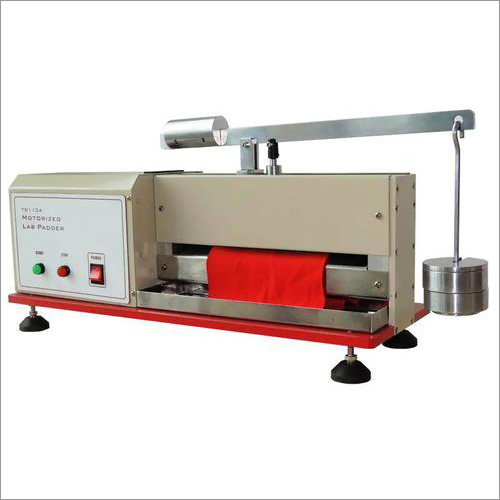

Price:
- 50
- 100
- 200
- 250
- 500
- 1000+

More Products in Dyeing and Finishing Machine Category
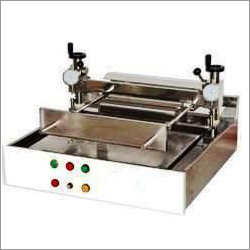
Lab Coater
Price 1700000 INR / Unit
Minimum Order Quantity : 1 Unit
Usage : Industrial Use
Type : Other, Table Top
Power Source : Electric
Material : SS
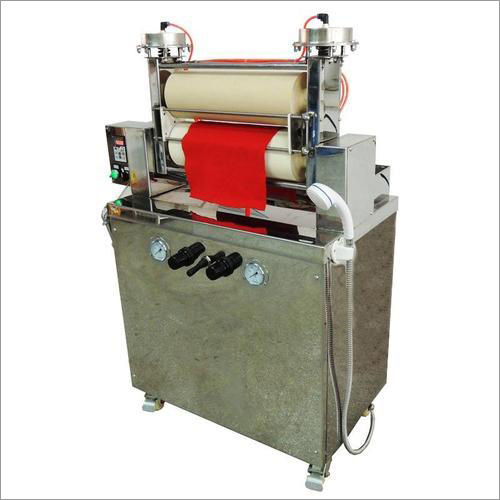
Vertical Lab Padder
Price 1100000 INR / Unit
Minimum Order Quantity : 1 Unit
Usage : Industrial Use
Type : Other, Vertical Lab Padder
Power Source : Electric
Material : SS
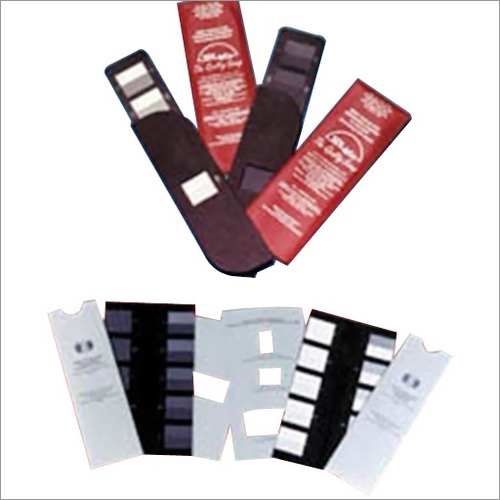
Grey Scale
Price 19800 INR / Unit
Minimum Order Quantity : 1 Unit
Usage : Industrial Use
Type : Other, Grey Scale for Assessing Change in Colour
Power Source : Manual
Material : SS
Horizontal Lab Padder
Price 1100000 INR / Unit
Minimum Order Quantity : 1 Unit
Usage : Industrial Use
Type : Other, Horizontal Lab Padder
Power Source : 220V AC, 50 Hz
Material : SS


- B, 314-315, Hub Town, Makarpura Bus Depot, Vadodara - 390010, Gujarat, India
- Phone : 07313726805

- Mr Vinodkumar Gaikwad (CEO)
- Mobile : 07313726805
- Send Inquiry
- A-40, Unnadeep Complex, Tower-A, Susen Tarsali Ring Road, Tarsali, Vadodara - 390010, Gujarat, India
Mr. Vinodkumar (CEO)
Mobile :+919998755997, +919558979952
 Send Inquiry
- Fiber Testing Machine
- Fabric Recovery Testing Machine
- Strength and Fatige Testing Machine
- Color Fastness Testing Machine
- Abrasion and Pilling Testing Machine
- Flammability Testing Machine
- Universal Testing Machine
- Shrinkage Testing Machine
- Sampling Machine
- Dyeing and Finishing Machine
- Geo Textile Non Woven Testing Equipment
- Color Machining Testing Equipment
- Cotton Ginning Machine
- Yarn Testing Machine
- Oil Extraction Apparatus
- Laboratory Air Compressor
- WIRE TESTING MACHINE
- Textile Testing Equipment
- Flammability Tester
- Pull Testers
- Fibers Testing Equipment & Machine
- Texture Analyzer


Developed and Managed by Infocom Network Private Limited.

