


 Opening Hours : Mon to Sat : 10 AM to 6 PM
 Call us :
07313726805
Call us :
07313726805

 Send Inquiry
Wire Crimp Pull Tester
Wire Crimp Pull Tester Specification
- Temperature
- 10C - 40C
- Humidity
- Up to 85% RH (Non-condensing)
- Number of Specimens
- Single Specimen
- Test Range
- 0 - 100 kgf
- Specimen Size
- 0.5 to 6 sq mm wires
- Test Material
- Copper/Aluminum Wires
- Type
- Crimp Pull Tester
- Material
- Mild Steel
- Power
- Manual
- Power Source
- Hand Operated
- Dimension (L*W*H)
- 45 x 20 x 15 cm
- Weight
- 8 kg
- Usage
- Crimp Strength Testing
- Application
- Wire Terminal Crimping
- Calibration
- Factory Calibrated
- Accuracy
- ± 1% of full scale
- Finish
- Powder Coated
- Force Indication
- Pointer-Type Mechanical Gauge
- Display Type
- Analog Dial
- Grade
- Industrial
- Operation Method
- Lever Handle
- Grip Mechanism
- Self-tightening jaws
- Jaw Opening
- Adjustable, up to 10 mm
Wire Crimp Pull Tester Trade Information
- Minimum Order Quantity
- 1 Unit
- Payment Terms
- Telegraphic Transfer (T/T), Cash in Advance (CID)
- Supply Ability
- 10 Units Per Week
- Delivery Time
- 30 Days
- Main Domestic Market
- Karnataka, Mizoram, Daman and Diu, Tripura, Chandigarh, Dadra and Nagar Haveli, Arunachal Pradesh, Himachal Pradesh, North India, Delhi, Andaman and Nicobar Islands, Telangana, East India, Odisha, Madhya Pradesh, Jharkhand, Andhra Pradesh, Chhattisgarh, West Bengal, South India, , Assam, Uttar Pradesh, Gujarat, Jammu and Kashmir, Kerala, West India, Goa, Rajasthan, Central India, Punjab, Sikkim, Maharashtra, Haryana, Bihar, Uttarakhand, Nagaland, Lakshadweep, Pondicherry, Manipur, Meghalaya, Tamil Nadu, All India
About Wire Crimp Pull Tester
Manual Wire Crimp Pull Tester is unique & economic instrument for tension/compression testing with good stability, wide application and convenient usage for manual operation. It is used for various application such as wire crimp, breaking strength, Adhesion Testing, Peel off, compression and tensile testing of Fabric, plastic, wire, crimp, yarn, strips & many more. Digital Force measurement devices are attached to measure the maximum Peel adhesive Strength & breaking force in N, Kgf & Lbf.
Features:
- Simple & Hand Pressure operation,
- Able to be used with various kinds of fixtures.
- Compact design & Simple construction.
Specifications:
- Capacity : 100N (10Kg) / 500N (50.0Kg)
- Accuracy : 0.1N / 0.01kg / 0.02lb;
- Units : N, Kgf, Lbf
- Traveling Length : 200mm / 400mm(Optional)
- Data Output : RS232 communications
- Power/Air : 220/110 V 50/60 Hz
- Weight : 20 Kg Dimensions : 450 x 400 x 700 mm(L x W x H)
button snap pull tester, pull tester, pull off tester
Wire Crimp Pull Tester Manufacturer
Wire Crimp Pull Tester Supplier
Wire Crimp Pull Tester Exporter
Accurate & Reliable Crimp Testing
This device is engineered for dependability with a 1% accuracy of full scale and analog dial force indication. The pointer-type mechanical gauge ensures precise reading of crimp pull forces, making it ideal for industrial wire terminal testing. Each unit is factory calibrated, guaranteeing consistent and trustworthy measurement results from the first use.
Flexible and Convenient Operation
Featuring a self-tightening jaw mechanism and fully adjustable jaw opening up to 10 mm, this tester supports various wire diameters and terminal configurations. The lever-handle operation makes the process manual yet effortless, allowing for quick test cycles and secure specimen holding, even in production or quality control environments.
Robust Build for Industrial Use
Constructed from powder-coated mild steel, the crimp pull tester withstands tough industrial settings. Its hand-operated design eliminates the need for external power sources, while its moderate weight and compact dimensions ensure both portability and stability. Reliable performance is maintained across a wide range of environmental conditions, including high humidity and varying temperatures.
FAQs of Wire Crimp Pull Tester:
Q: How does the Wire Crimp Pull Tester measure crimp strength?
A: The tester utilizes a pointer-type mechanical gauge with an analog dial display, providing accurate force measurements as you manually operate the lever handle. The applied force is indicated directly on the dial, allowing precise assessment of the crimps strength.Q: What types and sizes of wires can be tested with this device?
A: This crimp pull tester is suitable for copper and aluminum wires ranging from 0.5 to 6 square millimeters. Its adjustable, self-tightening jaws can accommodate wire terminals with jaw openings up to 10 mm.Q: When should I use this tester in my production or quality control process?
A: It is best used during quality control to verify the mechanical strength of wire terminal crimps. Incorporating this test ensures that the electrical connections are secure and comply with safety or industry standards.Q: Where can the Wire Crimp Pull Tester be effectively utilized?
A: This device is ideal for factories, laboratories, and workshops where wire terminal crimping is common. Its robust design makes it suitable for varied industrial environments across different sectors.Q: What is the process for performing a test using this equipment?
A: Simply insert your prepared specimen into the self-tightening jaws, adjust for proper fit, and operate the lever handle until the crimp fails or the required force is reached. The peak force is displayed on the analog dial for recording.Q: How is the tester maintained and calibrated?
A: Each tester is factory calibrated for immediate use. Regular cleaning and proper storage are recommended to maintain accuracy, and periodic recalibration can be arranged if required for quality assurance.Q: What are the benefits of using a manual, hand-operated device over an electronic pull tester?
A: Manual testers like this model offer portability, reliability in harsh conditions, and independence from power sources. Their robust build and straightforward operation make them ideal for on-site and high-volume testing where consistent, accurate results are essential.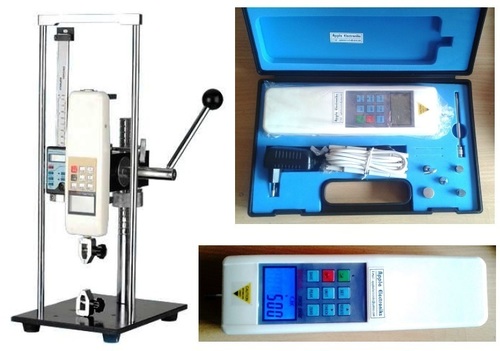

Price:
- 50
- 100
- 200
- 250
- 500
- 1000+

More Products in WIRE TESTING MACHINE Category
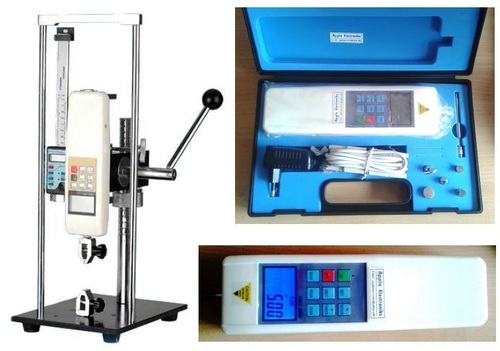
Wire Crimp Force Tester
Minimum Order Quantity : 1 Unit
Humidity : 85% RH
Number of Specimens : One at a time
Temperature : 10C 40C
Specimen Size : 0.08 10 mm2 wire section
Test Material : Copper, Aluminum, and Alloyed Conductors
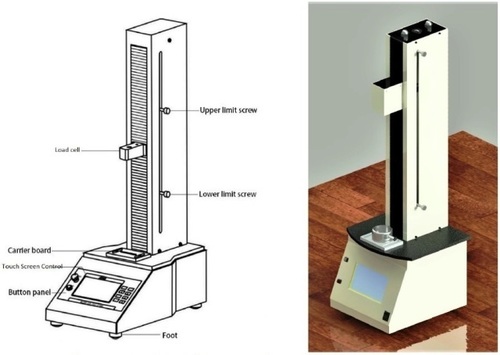
Automatic Wire Crimp Pull Tester
Minimum Order Quantity : 1 Unit
Humidity : 35 % ~ 85 % RH
Number of Specimens : 1
Temperature : 10C ~ 35C
Specimen Size : Wire diameter 0.1 mm 6 mm
Test Material : Crimped Wires and Terminals
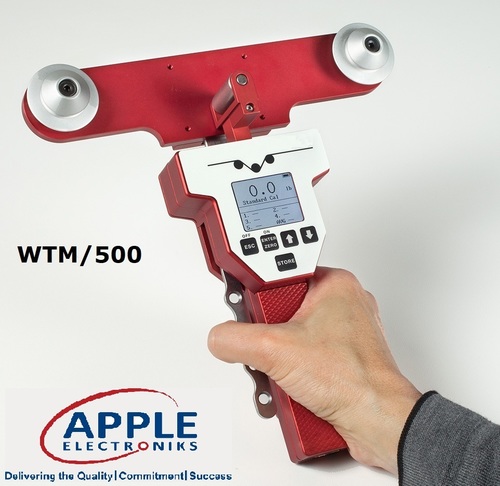
Digital Wire Tension Meter
Minimum Order Quantity : 1 Unit
Humidity : Less than 85% RH
Number of Specimens : 1 (Single wire measurement at a time)
Temperature : 0C to 50C
Specimen Size : Suitable for wire thickness 0.15mm
Test Material : Metal wire, cable, string
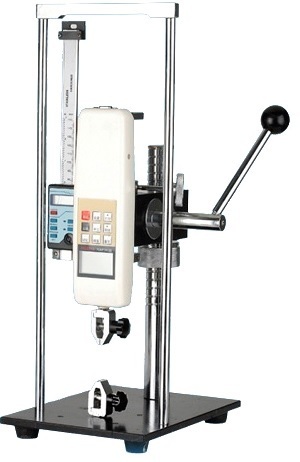
Manual Wire Crimp Pull Strength Tester
Minimum Order Quantity : 1 Unit
Humidity : 85% RH (operating condition)
Number of Specimens : Single specimen test
Temperature : 15C 35C
Specimen Size : 0.1 mm to 10 mm wire cross section
Test Material : Copper and Aluminium wires, Insulated/Noninsulated Terminals


- B, 314-315, Hub Town, Makarpura Bus Depot, Vadodara - 390010, Gujarat, India
- Phone : 07313726805

- Mr Vinodkumar Gaikwad (CEO)
- Mobile : 07313726805
- Send Inquiry
- A-40, Unnadeep Complex, Tower-A, Susen Tarsali Ring Road, Tarsali, Vadodara - 390010, Gujarat, India
Mr. Vinodkumar (CEO)
Mobile :+919998755997, +919558979952
 Send Inquiry
- Fiber Testing Machine
- Fabric Recovery Testing Machine
- Strength and Fatige Testing Machine
- Color Fastness Testing Machine
- Abrasion and Pilling Testing Machine
- Flammability Testing Machine
- Universal Testing Machine
- Shrinkage Testing Machine
- Sampling Machine
- Dyeing and Finishing Machine
- Geo Textile Non Woven Testing Equipment
- Color Machining Testing Equipment
- Cotton Ginning Machine
- Yarn Testing Machine
- Oil Extraction Apparatus
- Laboratory Air Compressor
- WIRE TESTING MACHINE
- Textile Testing Equipment
- Flammability Tester
- Pull Testers
- Fibers Testing Equipment & Machine
- Texture Analyzer


Developed and Managed by Infocom Network Private Limited.

