


 Opening Hours : Mon to Sat : 10 AM to 6 PM
 Call us :
07313726805
Call us :
07313726805

 Send Inquiry
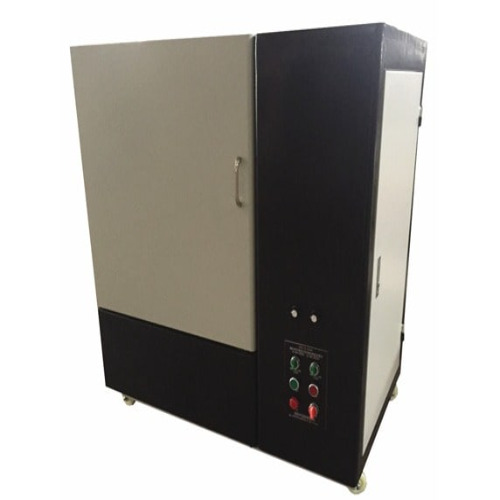
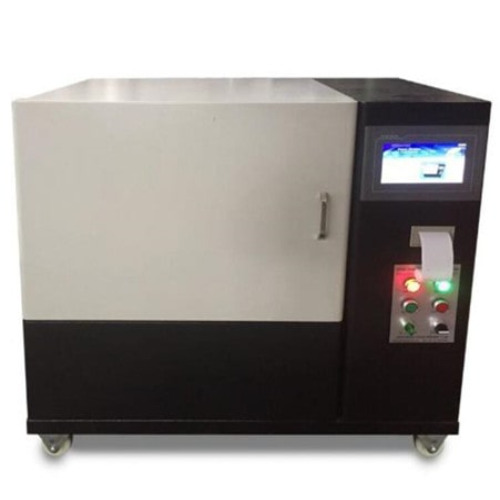
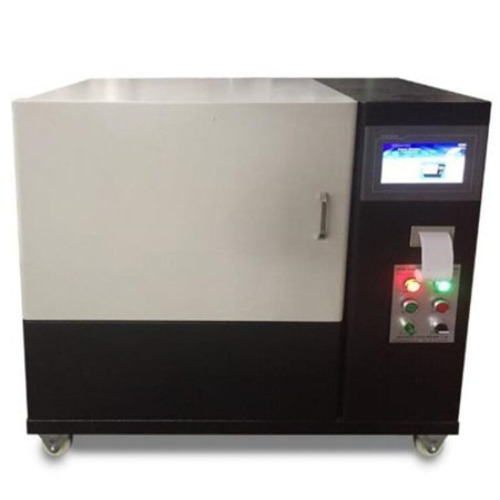
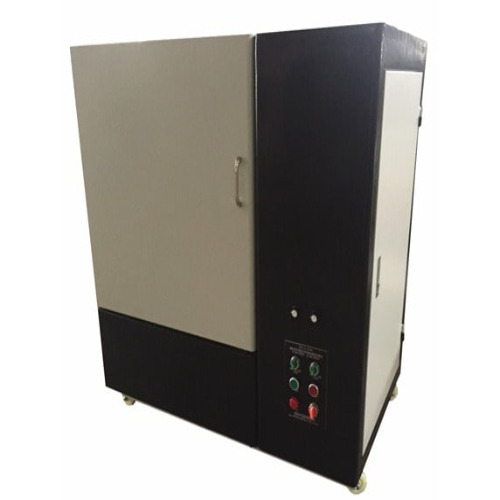
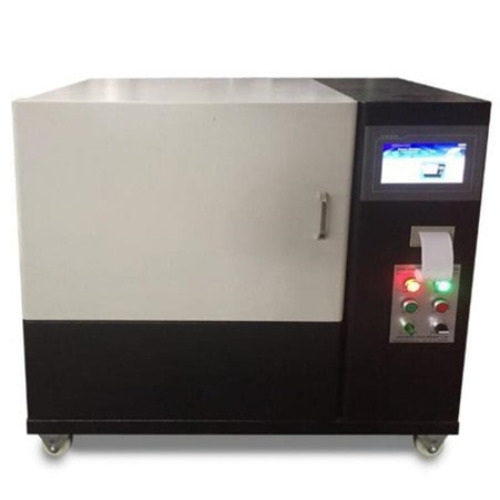
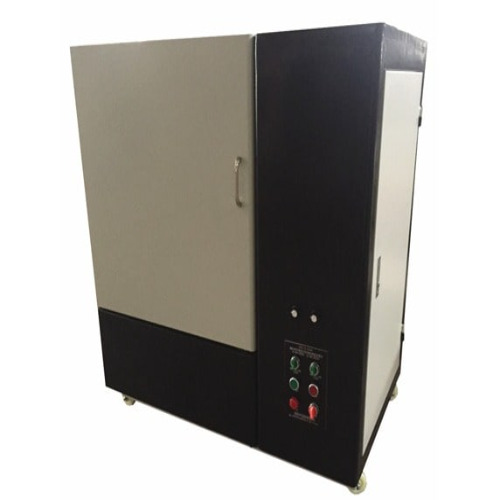
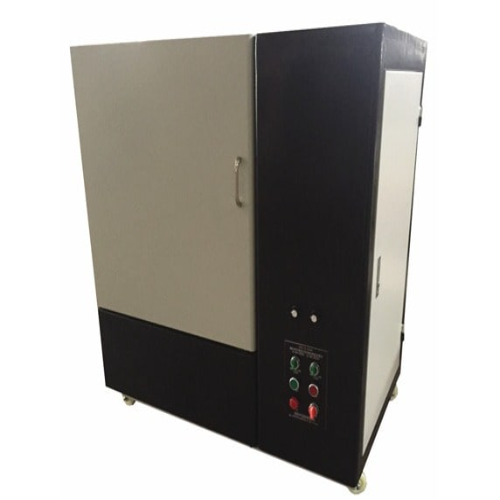
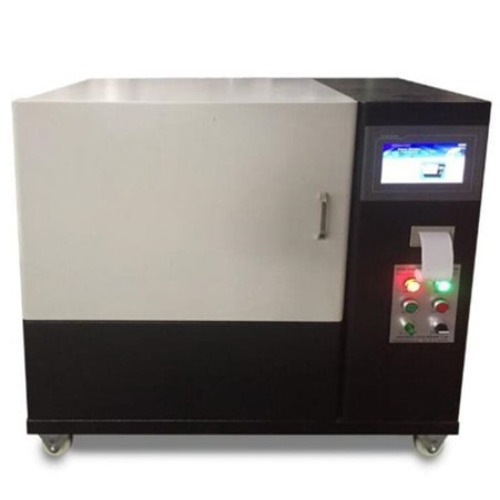
Thermal Conductivity Tester 177
Price 4500000 INR/ Number
Thermal Conductivity Tester 177 Specification
- Test Range
- 0.01 to 8.0
- Number of Specimens
- m2K/W
- Material
- Mild Steel
- Power Source
- AC
- Weight
- 110 Kilograms (kg)
- Usage
- Thermal conductivity as per ASTM 177
- Application
- It is mainly used to test the thermal conductivity of building materials, glass, fiber, foam and so on
Thermal Conductivity Tester 177 Trade Information
- Minimum Order Quantity
- 1 Number
- FOB Port
- FOB Nhava Sheva
- Supply Ability
- 10 Per Month
- Delivery Time
- 30 Days
- Sample Policy
- Contact us for information regarding our sample policy
- Packaging Details
- Wooden
- Main Domestic Market
- , All India, South India, Central India, West India, North India, East India, Gujarat, Karnataka, Kerala, Lakshadweep, Mizoram, Meghalaya, Manipur, Andhra Pradesh, Bihar, Chandigarh, Daman and Diu, Goa, Jharkhand, Odisha, Punjab, Assam, Delhi, Nagaland, Dadra and Nagar Haveli, Andaman and Nicobar Islands, Arunachal Pradesh, Chhattisgarh, Haryana, Himachal Pradesh, Jammu and Kashmir, Madhya Pradesh, Maharashtra, Rajasthan, Sikkim, Tamil Nadu, Telangana, Tripura, Pondicherry, Uttar Pradesh, Uttarakhand, West Bengal
- Certifications
- CE & MSME Certified
About Thermal Conductivity Tester 177
It is mainly used to test the thermal conductivity of building materials, glass, fiber, foam and so on. Testing materials include fiber board, loosing filler glass fiber, ceramic fiber (XPS/EPS/PUR, etc.), foam plastic, inter-layer composite plate, vacuum plate, rubber products, cement(concrete) products, powder materials, filler materials, gypsum board and so on. The tester is in line with the latest International standard ASTM C177 and Indian standard IS: 3346-1996. It is in full compliance with the national thermal conductivity measurement standard with its stable and accurate temperature control technology, computer interface, softwares real-time monitoring and control, data processing and saving connecting. With these advantages, it is applied widely in materials properties detection organization, scientific research institution, quality detection department of factory, institutions of higher education teaching and research.
Engineered for Rigorous Material Testing
The Thermal Conductivity Tester 177 delivers reliable and repeatable results across diverse samples, thanks to its robust build and adherence to ASTM 177 standards. Laboratories and manufacturers benefit from its wide test range, making it suitable for extensive material research and quality control.
Broad Application Range
This instrument is versatile, enabling users to test thermal conductivity in building materials, insulation, glass, fiber, foam, and more. Its adaptability makes it a valuable asset for suppliers, exporters, and manufacturers aiming to meet industry standards and enhance material performance.
FAQ's of Thermal Conductivity Tester 177:
Q: How does the Thermal Conductivity Tester 177 operate?
A: The tester operates using an AC power source and evaluates material samples as per ASTM 177 specifications. It measures the thermal conductivity across a range from 0.01 to 8.0, providing accurate readings essential for quality control and research.Q: What types of materials can be tested with this device?
A: This tester can assess building materials, glass, fiber, foam, and various insulation products, making it suitable for manufacturers and suppliers handling a wide array of samples.Q: When should I use the Thermal Conductivity Tester 177 in my workflow?
A: Use the tester during the quality assurance stage in material production, research and development, or when verifying compliance with international thermal conductivity standards.Q: Where is the Thermal Conductivity Tester 177 typically used?
A: It is mainly utilized in material testing laboratories, quality control departments of manufacturing plants, and research facilities, especially those focused on building materials and insulation products in India.Q: What is the process for testing samples with this instrument?
A: Prepare specimens as per m2K/W standards, set up the device according to ASTM 177, place the sample, and perform the test. The tester will provide thermal conductivity readings within the specified range.Q: What are the key benefits of using this tester?
A: Key benefits include reliable and precise thermal conductivity measurements, robust construction from mild steel, and compliance with ASTM 177, ensuring results are globally recognized and respected.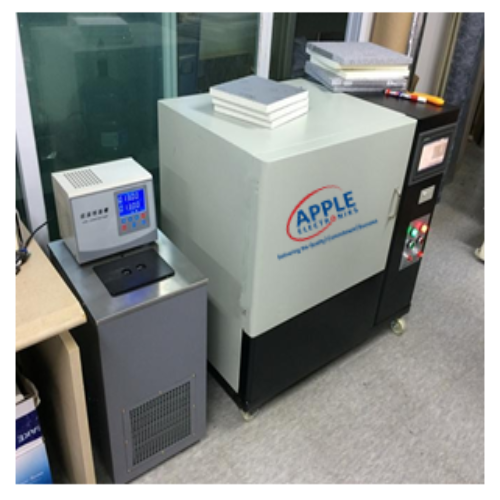

Price:
- 50
- 100
- 200
- 250
- 500
- 1000+

More Products in Shrinkage Testing Machine Category
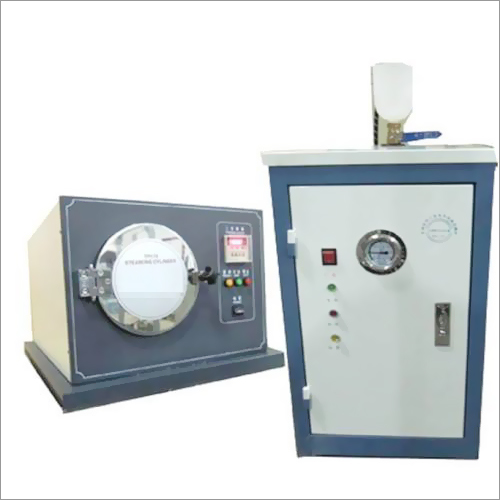
Steaming Cylinder
Price 1900000 INR / Unit
Minimum Order Quantity : 1 Unit
Power Source : Electricity
Power : Other, Electric Volt (v)
Material : SS
Usage : Industrial Use
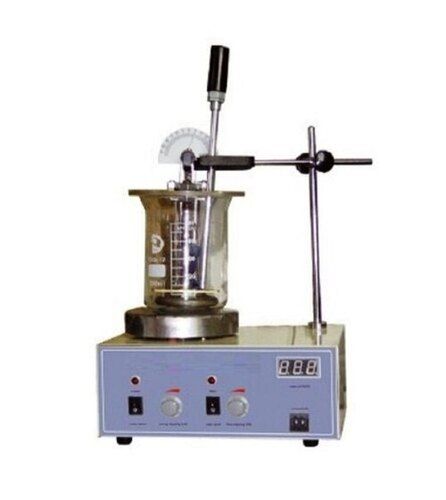
Leather Contraction Temperature Tester
Price 326000.00 INR / Unit
Minimum Order Quantity : 1 Unit
Power Source : Electric
Power : Other, 220V, 50Hz, 500W Watt (w)
Material : SS
Usage : Industrial Use
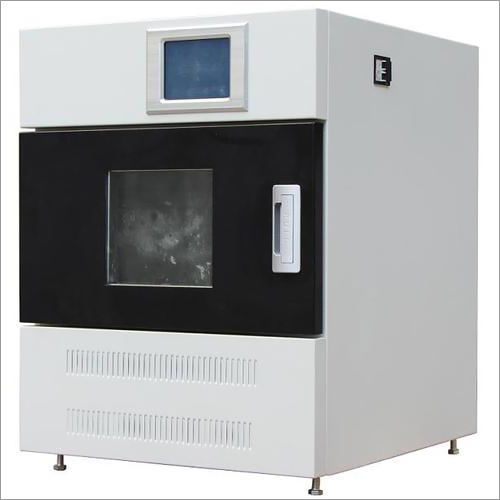
Water Vapour Permeability Tester
Minimum Order Quantity : 1 , , Unit
Power Source : Electric
Power : Other, 220240 V AC, 50 Hz
Material : SS
Usage : Industrial Use
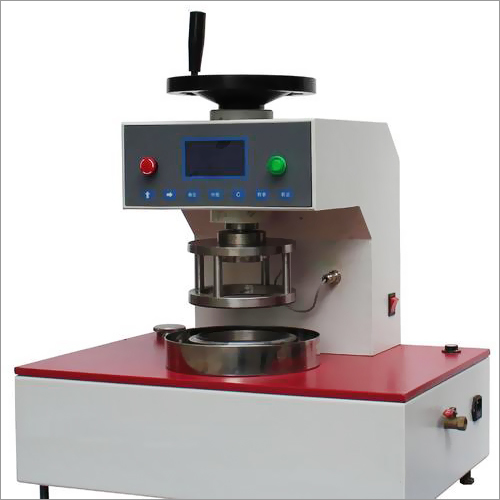
Hydrostatic Head Tester
Price 7.9600000 INR / Unit
Minimum Order Quantity : 1 Unit
Power Source : Electric
Power : 220 /110 V 50/60 Hz 3 A
Material : SS
Usage : Industrial Use


- B, 314-315, Hub Town, Makarpura Bus Depot, Vadodara - 390010, Gujarat, India
- Phone : 07313726805

- Mr Vinodkumar Gaikwad (CEO)
- Mobile : 07313726805
- Send Inquiry
- A-40, Unnadeep Complex, Tower-A, Susen Tarsali Ring Road, Tarsali, Vadodara - 390010, Gujarat, India
Mr. Vinodkumar (CEO)
Mobile :+919998755997, +919558979952
 Send Inquiry
- Fiber Testing Machine
- Fabric Recovery Testing Machine
- Strength and Fatige Testing Machine
- Color Fastness Testing Machine
- Abrasion and Pilling Testing Machine
- Flammability Testing Machine
- Universal Testing Machine
- Shrinkage Testing Machine
- Sampling Machine
- Dyeing and Finishing Machine
- Geo Textile Non Woven Testing Equipment
- Color Machining Testing Equipment
- Cotton Ginning Machine
- Yarn Testing Machine
- Oil Extraction Apparatus
- Laboratory Air Compressor
- WIRE TESTING MACHINE
- Textile Testing Equipment
- Flammability Tester
- Pull Testers
- Fibers Testing Equipment & Machine
- Texture Analyzer


Developed and Managed by Infocom Network Private Limited.

