


 Opening Hours : Mon to Sat : 10 AM to 6 PM
 Call us :
07313726805
Call us :
07313726805

 Send Inquiry
Leather Contraction Temperature Tester
Price 326000.00 INR/ Unit
Leather Contraction Temperature Tester Specification
- Port Size
- Standard gas inlet & outlet (6 mm OD tube)
- Specimen Size
- Approx. 10 mm x 30 mm strips
- Gas Pressure
- Adjustable up to 3 bar
- Temperature
- Digital display with 0.5C accuracy
- Test Material
- Leather (tanned or semi-tanned)
- Number of Specimens
- 1 specimen/test
- Test Range
- 0C to 120C
- Humidity
- Ambient or as per test requirement
- Type
- Bench-top laboratory testing instrument
- Material
- SS
- Power
- 220V, 50Hz, 500W Watt (w)
- Power Source
- Electric
- Dimension (L*W*H)
- 240x180x480 mm (LxWxH) Millimeter (mm)
- Weight
- 25 Kg Kilograms (kg)
- Usage
- Industrial Use
- Application
- Leather testing, Quality control in leather industry
- Test Medium
- Glycerin/water bath
- Display Type
- LED digital display
- Temperature Control
- Digital PID controller
- Safety Features
- Over-temperature cut-off, overcurrent protection
- Accessories Included
- Specimen holder, temperature probe
- Heating Rate
- 2C/min to 3C/min
- Calibration
- Supplied with calibration certificate
Leather Contraction Temperature Tester Trade Information
- Minimum Order Quantity
- 1 Unit
- Supply Ability
- 10 Units, Unit Per Week
- Delivery Time
- Week
About Leather Contraction Temperature Tester
Leather Contraction Temperature Tester
Having heating rate /min, this Leather Contraction Temperature Tester is perfect to find out the shrinkage level and fur which are heated. The given tester is generally ideal to measure the submerge heat shrinkage temperature of leather. Offered tester is obtainable in different shapes and sizes as per the varied demands of our valuable clients. Because to its durability, performance and superior strength, this Leather Contraction Temperature Tester is very popular among our patrons.
Specifications
- The heating rate: 2/min
- Test Temperature difference<1
- Distance from below hook Centre line to the beaker bottom: 30+/-5mm
- Standards QB/T 2713
- Power 220 /110 V 50/60 Hz 110W
- Weight 25 Kg
- Dimensions 240x180x480 mm (L x W x H)
Leather Contraction Temperature Tester Manufacturer
Leather Contraction Temperature Tester Supplier
Leather Contraction Temperature Tester Exporter
Accurate and Reliable Leather Testing
Benefit from the advanced digital PID controller, facilitating precise temperature regulation and control over every test. The LED digital display offers clear readings with an accuracy of 0.5C, supporting consistent and repeatable results vital for quality control in the leather industry. This system empowers manufacturers, exporters, and suppliers to ensure material durability and compliance with industry standards.
User-Centric Design and Safety
Engineered with operator safety in mind, this tester features over-temperature cut-off and overcurrent protection. Its bench-top configuration, supplied accessories, and stainless steel construction guarantee safe usage and effortless maintenance. The calibration certificate provided ensures ongoing measurement reliability, supporting process validation in demanding industrial environments.
Versatile Applications and Efficiency
Tailored for leather testing, the instrument supports both tanned and semi-tanned specimens, using a standard glycerin/water bath and adjustable gas pressure up to 3 bar. With its compact 240x180x480 mm size, 25 kg weight, and 220V electric power, it fits seamlessly into quality control labs, delivering vital performance checks to leather manufacturers and suppliers across India.
FAQ's of Leather Contraction Temperature Tester:
Q: How does the Leather Contraction Temperature Tester operate during a test?
A: The tester operates by immersing a leather specimen (approximately 10 mm x 30 mm) in a glycerin/water bath. The device uses a digital PID controller to gradually increase the temperature at a controlled rate (2C/min to 3C/min), while the LED display provides real-time temperature readings. The contraction point is detected, ensuring precise measurement of the material's thermal response.Q: What is the primary benefit of using this tester for leather manufacturers?
A: The main benefit is the ability to accurately determine the contraction temperature of tanned or semi-tanned leather, ensuring products meet quality and durability standards. Consistent testing helps manufacturers comply with industry regulations, optimize processing conditions, and improve end-product reliability.Q: When should I calibrate the Leather Contraction Temperature Tester?
A: Calibration should be performed according to your quality control schedule or whenever the tester's accuracy is in doubt. The instrument is supplied with a calibration certificate, but periodic calibration is recommended for maintaining precise measurement integrity, especially in heavily regulated or high-throughput environments.Q: Where is this instrument ideally used?
A: This tester is designed for bench-top use in laboratory settings, specifically in industries engaged in the production, export, or supply of leather goods. It is well-suited for quality control labs within manufacturing plants or third-party testing facilities in India and beyond.Q: What safety features does the tester include to protect users and specimens?
A: The instrument is equipped with an over-temperature cut-off and overcurrent protection. These features guard against unexpected rises in temperature or electrical overloads, ensuring safe operation for both users and tested specimens.Q: How many specimens can be tested at once, and what are the specimen requirements?
A: Each test accommodates a single leather specimen, usually prepared as a strip approximately 10 mm x 30 mm. This ensures accurate and repeatable results, eliminating interference from multiple samples.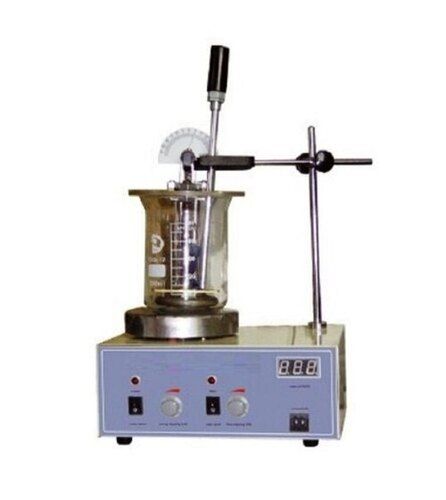

Price:
- 50
- 100
- 200
- 250
- 500
- 1000+

More Products in Shrinkage Testing Machine Category
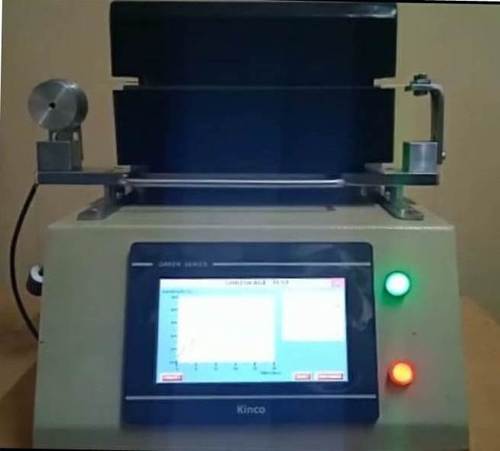
Hot Air Force Shrinkage Tester
Price 1000000 INR / Number
Minimum Order Quantity : 01 Number
Power : Other, 1000 W
Power Source : 220 V AC, 50 Hz
Type : Other, Digital, Floor Model
Usage : For Determining Shrinkage in Textile and Fabric Materials
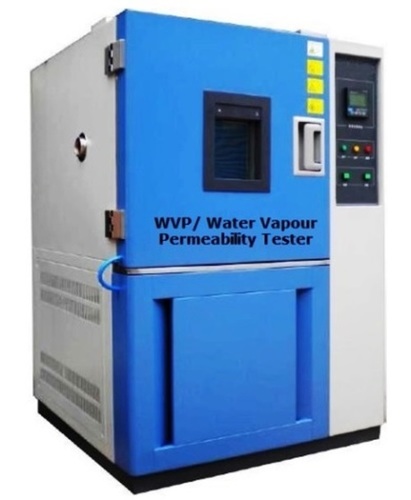
Water Vapor Transmission Tester
Minimum Order Quantity : 1 Unit
Power : Other, 220V, 50Hz, 1 Phase
Power Source : Electric
Type : Other, Digital
Usage : Industrial
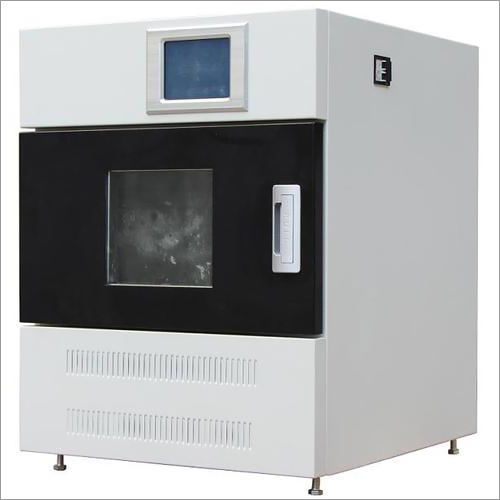
Water Vapour Permeability Tester
Minimum Order Quantity : 1 , , Unit
Power : Other, 220240 V AC, 50 Hz
Power Source : Electric
Type : Other, Lab Testing Equipment
Usage : Industrial Use
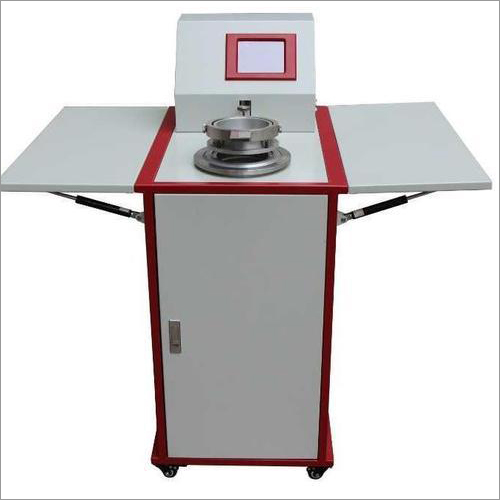
Air Permeability Tester
Price 1800000 INR / Unit
Minimum Order Quantity : 1 Unit
Power : 220 /110 V 50/60 Hz 400W
Power Source : Electric
Type : Air Permeability Tester
Usage : Industrial Use


- B, 314-315, Hub Town, Makarpura Bus Depot, Vadodara - 390010, Gujarat, India
- Phone : 07313726805

- Mr Vinodkumar Gaikwad (CEO)
- Mobile : 07313726805
- Send Inquiry
- A-40, Unnadeep Complex, Tower-A, Susen Tarsali Ring Road, Tarsali, Vadodara - 390010, Gujarat, India
Mr. Vinodkumar (CEO)
Mobile :+919998755997, +919558979952
 Send Inquiry
- Fiber Testing Machine
- Fabric Recovery Testing Machine
- Strength and Fatige Testing Machine
- Color Fastness Testing Machine
- Abrasion and Pilling Testing Machine
- Flammability Testing Machine
- Universal Testing Machine
- Shrinkage Testing Machine
- Sampling Machine
- Dyeing and Finishing Machine
- Geo Textile Non Woven Testing Equipment
- Color Machining Testing Equipment
- Cotton Ginning Machine
- Yarn Testing Machine
- Oil Extraction Apparatus
- Laboratory Air Compressor
- WIRE TESTING MACHINE
- Textile Testing Equipment
- Flammability Tester
- Pull Testers
- Fibers Testing Equipment & Machine
- Texture Analyzer


Developed and Managed by Infocom Network Private Limited.

