


 Opening Hours : Mon to Sat : 10 AM to 6 PM
 Call us :
07313726805
Call us :
07313726805

 Send Inquiry
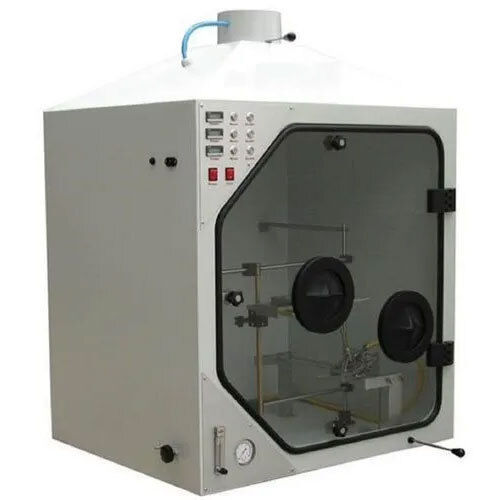
Blanket Flammability Testing Machine
Price 850000 INR/ Unit
MOQ : 1 Unit
Blanket Flammability Testing Machine Specification
- Number of Specimens
- 2
- Specimen Size
- 300 mm x 89 mm
- Gas Pressure
- 0-0.2 MPa, adjustable
- Test Material
- Textile Blanket fabrics
- Port Size
- 6 mm
- Test Range
- 0-999.9s
- Temperature
- Room temperature, adjustable
- Humidity
- 85% RH
- Material
- Stainless Steel
- Power
- 220V / 50Hz
- Power Source
- Electric
- Dimension (L*W*H)
- 940 x 550 x 700 mm
- Weight
- Approx. 52 kg
- Usage
- Laboratory
- Application
- Laboratory
- Timer Accuracy
- ±0.1s
- Safety Features
- Automatic gas cut-off, flame shield
- Compliance Standard
- ASTM D4151, ISO 12952-1/2
- Controller Type
- Digital Timer & Display
- Viewing Window
- Heat-resistant glass
- Ignition Source
- Multi-gas burner
- Airflow Control
- Adjustable
- Burner Angle
- 45° flame application
- Sample Holder
- Spring clamp mechanism
Blanket Flammability Testing Machine Trade Information
- Minimum Order Quantity
- 1 Unit
- Supply Ability
- 5 Units Per Month
- Delivery Time
- 10 Days
About Blanket Flammability Testing Machine
| Grade | Semi Automatic |
| Material | Stainless Steel |
| Brand | Apple Electroniks |
| Packaging Type | Wooden Box |
| Display Type | Analog |
| Usage/Application | Laboratory |
Specifications
- Stainless steel test cabinet, equipped with transparent viewing window;
- 18# needle flame, flame length adjustable;
- Igniting time pre-set freely;
- Timer accuracy up to 0.01 second;
Included Accessories:
- 5 sets of Sample holders
- 1 set of Brushing device
- 1 Sample cutting template
- 1 Paper monitor cutting template
- 1 Flame length gage
- 1 Fire nozzle position gage
- 1 set of Micro-stove for gas supply
- Power 220 /110 V 50/60 Hz 2 A
- Weight 18 Kg
- Dimensions 400x280x500 mm(LxWxH)
Advanced Safety and Precision Controls
The Blanket Flammability Testing Machine incorporates key safety mechanisms such as automatic gas cut-off and a flame shield, providing secure testing environments. Its digital timer, accurate to 0.1 seconds, and adjustable airflow system enable precise control during each test cycle, ensuring reliable, repeatable results.
Compliant with International Standards
This machine is designed for conformity with ASTM D4151 and ISO 12952-1/2 flammability test methods. It assures users of globally recognized, standardized results when testing textile blanket materials, making it suitable for both domestic and international clients.
Robust and User-friendly Design
Constructed from durable stainless steel and featuring a heat-resistant glass viewing window, the machine is built to withstand rigorous laboratory usage. Its user-centric design includes a digital display, easy-to-use sample holders, and clear adjustment options for gas pressure and temperature, enhancing workflow efficiency.
FAQ's of Blanket Flammability Testing Machine:
Q: How does the Blanket Flammability Testing Machine operate?
A: The machine uses a multi-gas burner positioned at a 45 angle to expose textile blanket samples to a controlled flame. Adjustable airflow and gas pressure, alongside a digital timer (accurate to 0.1s), ensure precise measurement of ignition and burning duration. Operators receive clear, real-time data via the digital display.Q: What materials can be tested with this machine?
A: This device is specifically engineered for testing textile blanket fabrics. It complies with international standards (ASTM D4151, ISO 12952-1/2), making it suitable for evaluating the flammability properties of various types of blankets produced by manufacturers or tested in laboratories.Q: When should laboratories or manufacturers use this machine?
A: The machine is ideal for laboratories and textile manufacturers needing to verify product compliance, conduct research and development, or ensure material safety prior to market release. Regular use is recommended for quality control checks and certification processes.Q: Where can this machine be installed and operated?
A: Designed for laboratory environments, the unit's compact dimensions (940 x 550 x 700 mm) allow it to fit onto standard laboratory benches. It requires a 220V/50Hz electrical supply and controlled conditions within 85% RH humidity and room temperature (adjustable for the test).Q: What is the testing process like for blanket fabrics?
A: Samples (300 x 89 mm, up to 2 at a time) are mounted with a spring clamp in the specimen holder. The 45 flame is applied via the multi-gas burner, with airflow, gas pressure, and duration regulated for precision. Testing outcomes are recorded using the digital timer and displayed for review.Q: How do the machine's safety features benefit operational use?
A: Safety is paramount; features such as an automatic gas cut-off, robust flame shield, and heat-resistant glass provide essential protection for users. These elements minimize risk during operation, especially when testing potentially flammable materials.Q: What are the key benefits of using this flammability tester for exporters or suppliers in India?
A: The machine enables reliable, internationally recognized testing, enhancing product trust for exporters and suppliers. Its compliance with ASTM and ISO standards supports acceptance in global markets, while efficient testing procedures and robust construction offer long-term cost-savings and operational reliability.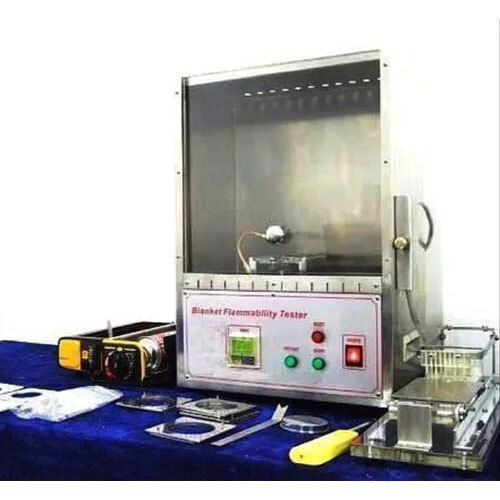
Tell us about your requirement

Price:
Quantity
Select Unit
- 50
- 100
- 200
- 250
- 500
- 1000+
Additional detail
Mobile number
Email

More Products in Flammability Tester Category
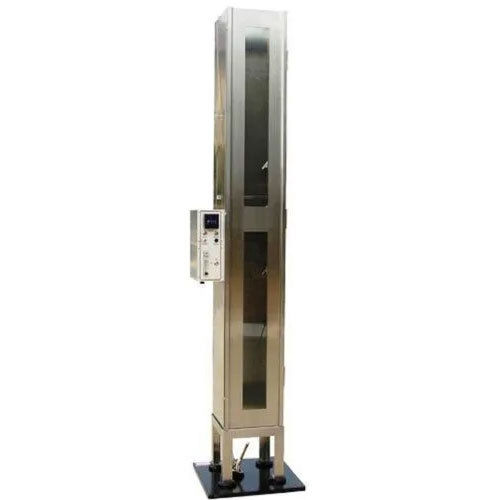
nfpa 701 2 flammability tester
Price 900000 INR / Unit
Minimum Order Quantity : 1 Unit
Application : Industrial
Material : Mild Steel
Weight : 35 kg
Type : flammability tester
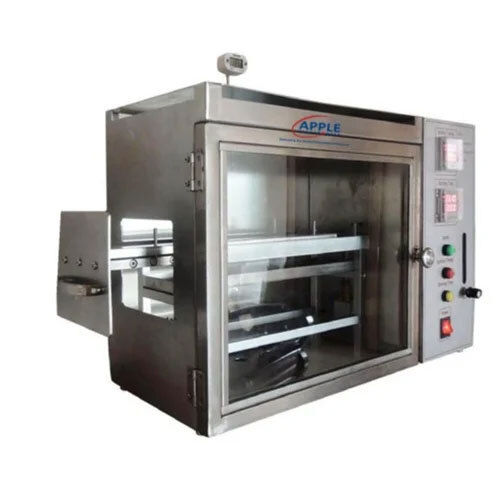
Horizontal Flammability Tester
Price 568000 INR / Unit
Minimum Order Quantity : 1 Unit
Application : Industrial
Material : Mild Steel
Weight : Approx. 35 kg
Type : Horizontal Flammability Tester
UL94 Horizontal Vertical Flammability Tester
Price 992680 INR / Unit
Minimum Order Quantity : 1 Unit
Application : Industrial
Material : Mild Steel
Weight : Approx. 75 kg
Type : UL94 Horizontal Vertical Flammability Tester
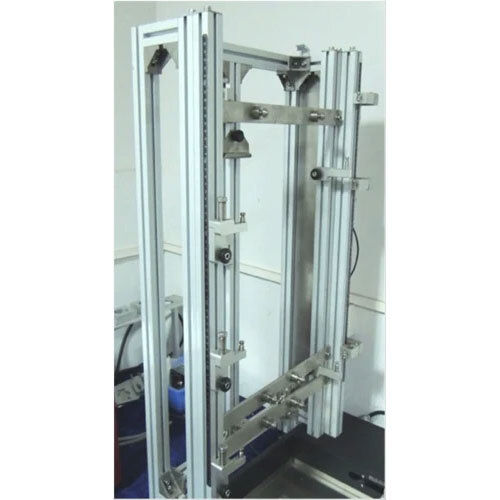
Flammability Tester
Price 792680 INR / Unit
Minimum Order Quantity : 1 Unit
Application : Laboratory
Material : Mild Steel
Weight : Approx. 40 kg
Type : Flammability Tester

Contact Us

- B, 314-315, Hub Town, Makarpura Bus Depot, Vadodara - 390010, Gujarat, India
- Phone : 07313726805

- Mr Vinodkumar Gaikwad (CEO)
- Mobile : 07313726805
- Send Inquiry
- A-40, Unnadeep Complex, Tower-A, Susen Tarsali Ring Road, Tarsali, Vadodara - 390010, Gujarat, India
Mr. Vinodkumar (CEO)
Mobile :+919998755997, +919558979952
 Send Inquiry
Our Products
- Fiber Testing Machine
- Fabric Recovery Testing Machine
- Strength and Fatige Testing Machine
- Color Fastness Testing Machine
- Abrasion and Pilling Testing Machine
- Flammability Testing Machine
- Universal Testing Machine
- Shrinkage Testing Machine
- Sampling Machine
- Dyeing and Finishing Machine
- Geo Textile Non Woven Testing Equipment
- Color Machining Testing Equipment
- Cotton Ginning Machine
- Yarn Testing Machine
- Oil Extraction Apparatus
- Laboratory Air Compressor
- WIRE TESTING MACHINE
- Textile Testing Equipment
- Flammability Tester
- Pull Testers
- Fibers Testing Equipment & Machine
- Texture Analyzer


APPLE ELECTRONIKS
All Rights Reserved.(Terms of Use)
Developed and Managed by Infocom Network Private Limited.
Developed and Managed by Infocom Network Private Limited.

