


 Opening Hours : Mon to Sat : 10 AM to 6 PM
 Call us :
07313726805
Call us :
07313726805

 Send Inquiry
Snap Tester
Price 2.90000 INR/ Unit
Snap Tester Specification
- Test Material
- Garment Buttons, Snaps, Fasteners
- Number of Specimens
- 1 at a time
- Temperature
- Ambient
- Humidity
- Ambient
- Test Range
- up to 30 kg
- Specimen Size
- Customizable as per requirement
- Type
- Snap Tester
- Material
- SS
- Power
- Manual
- Power Source
- Manual
- Usage
- Industrial Use
- Application
- Button Snap Strength Testing
- Accessories Included
- Various clamps for different fastener sizes
- Test Principle
- Measures force required to detach snap/button from formation
- Finish
- Powder Coated
- Color
- Blue/Grey
- Display Type
- Analog Force Gauge
- Clamping System
- Manual Vise Grip
- Force Gauge Capacity
- 30 kg
- Force Graduation
- 0.2 kg
- Base Material
- Painted Steel
Snap Tester Trade Information
- Minimum Order Quantity
- 1 Unit
- Supply Ability
- 10 Units Per Week
- Delivery Time
- Week
- Main Domestic Market
- Telangana, Andhra Pradesh, East India, Rajasthan, Nagaland, Karnataka, Gujarat, South India, Uttar Pradesh, Tripura, Haryana, Andaman and Nicobar Islands, Kerala, West Bengal, Madhya Pradesh, Daman and Diu, Jammu and Kashmir, West India, Arunachal Pradesh, North India, Odisha, Sikkim, Meghalaya, Chandigarh, Pondicherry, Maharashtra, Manipur, Himachal Pradesh, Chhattisgarh, Assam, Tamil Nadu, Mizoram, Central India, Uttarakhand, Jharkhand, Dadra and Nagar Haveli, Lakshadweep, , Bihar, Delhi, Punjab, Goa, All India
About Snap Tester
We are offering Snap Tester which is widely used to determine the breaking or holding strength of different prong-rings attached to the snap fasteners in garments. It consists of a lower fabric clamp, upper snap clamp and force gauge which are mounted on a single stand. Also, it has a hand wheel at its bottom that allows fine control along with convenient operation. The capability of Snap Tester is enhanced with the help of clamps and accessories used for testing other jeans buttons, snaps and garments accessories like toggles, D-Rings, Zippers, etc.
Included Accessories
- SANDOO Force Gauge FB-30K (300N, Resolution 2N, Accuracy +/-1%FS) - 1 Pc
- Lower Fabric Clamp, Lever Arm locking - 1 Pc
- Upper Stud Clamp - 1 Pc
- Upper Snap Clamp -1 Pc
- Three Pronged Clamp - 1 Pc
- Two Pronged Clamp with screw - 1 Pc
- Lower Grasp Button Kit - 1 Pc
- Long Nose Vise Grip - 1 Pc
- Calibration: 15 lbs Calibration Weight- 1 Pc
- Safety Goggles - 1 Pc
- Rubber Ring - 5 Pcs
- Calibration Certificate - 1 Pc
- Operation Manual - 1 Pc
- Standards ASTM PS79-96, ASTM F963, EN 71-1, 16 CFR 1500.51-53, M&S P115A
- Weight 45 Kg
- Dimensions 230 x 280 x 750 mm(L x W x H)
Snap Tester Manufacturer
Snap Tester Supplier
Snap Tester Exporter
Reliable Snap and Button Testing
Designed for industrial applications, this Snap Tester ensures the durability and safety of snap buttons by measuring the force required for detachment. The tester is built with a painted steel base finished with powder coating, enhancing both robustness and aesthetic appeal. Interchangeable clamps allow for testing a variety of fastener sizes, making it a valuable asset in quality control processes for textile and garment manufacturers.
Precision and Simplicity in Force Measurement
Equipped with a highly accurate analog force gauge, this device facilitates straightforward readings with 0.2 kg graduations. The manual vise grip ensures firm clamping and hassle-free specimen changes. Its capacity to test up to 30 kg makes it suitable for a variety of garment fasteners. The system is entirely manually operated, requiring no electrical power, which makes it easy to use in diverse settings.
FAQ's of Snap Tester:
Q: How does the Snap Tester measure button or snap strength?
A: The Snap Tester determines the strength of garment fasteners by applying a controlled force via a manual vise grip system until the snap or button detaches. The analog force gauge displays the exact force (up to 30 kg, in 0.2 kg increments) required for detachment, ensuring precise measurement.Q: What materials and fastener types can be tested with this device?
A: This Snap Tester is designed for testing garment buttons, snaps, and fasteners. It comes with various clamps to accommodate different sizes, making it suitable for multiple types of fasteners found in industrial textile applications.Q: When should companies conduct snap strength testing?
A: Snap strength testing should be performed during the quality control phase or before shipment, particularly for garments intended for export or heavy-duty use. Regular testing helps ensure products meet safety and durability standards.Q: Where is the Snap Tester typically used?
A: The device is widely used in textile and garment manufacturing facilities, quality assurance laboratories, and by exporters and suppliers across India and other regions where button and fastener integrity are critical.Q: What is the step-by-step process for conducting a test using this Snap Tester?
A: First, select and install the appropriate clamp for the fastener. Secure the specimen in the manual vise grip. Gradually apply manual force until the fastener detaches, noting the peak force on the analog gauge. Record the force value for quality analysis.Q: How does using this Snap Tester benefit industrial users?
A: Employing this Snap Tester streamlines quality control, helps prevent product failure, ensures compliance with industry standards, and enhances customer satisfaction by verifying fastener durability. Its manual and robust design ensures long-term reliability in demanding environments.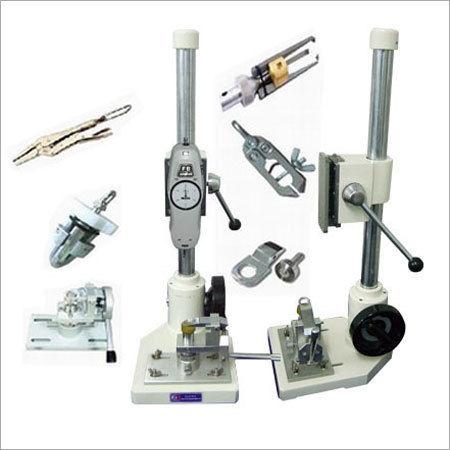

Price:
- 50
- 100
- 200
- 250
- 500
- 1000+

More Products in Strength and Fatige Testing Machine Category
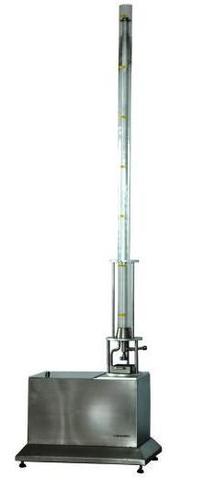
Rainproof Tester
Price 1000000 INR / Unit
Minimum Order Quantity : 1 Unit
Power Source : Electric
Usage : Industrial Use
Type : Other, Rainproof Tester
Material : SS
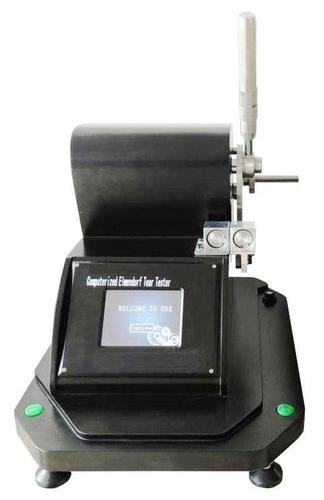
Computerized Elmendorf Tear Tester
Price 17 INR / Unit
Minimum Order Quantity : 1 Unit
Power Source : Electric
Usage : Industrial Use
Type : Other, Digital / Computerized
Material : Mild Steel Body with Powder Coating
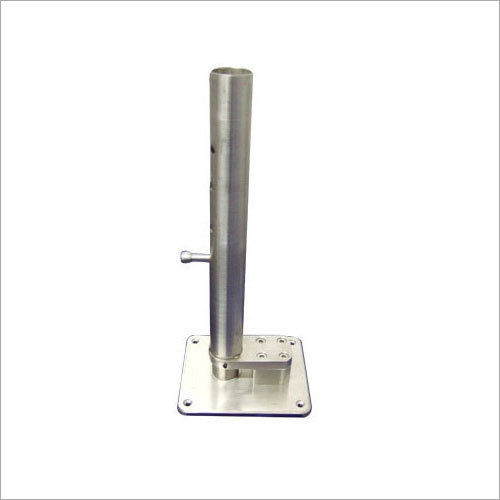
Button Impact Tester
Price 1300000 INR / Unit
Minimum Order Quantity : 1 Unit
Power Source : Manual
Usage : Industrial Use
Type : Other, Impact Tester
Material : SS
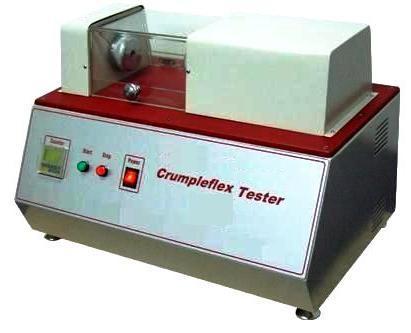
Crumpleflex Tester
Price 500000 INR / Unit
Minimum Order Quantity : 1 Unit
Power Source : Electric
Usage : Industrial Use
Type : Other, Crumpleflex Tester
Material : SS


- B, 314-315, Hub Town, Makarpura Bus Depot, Vadodara - 390010, Gujarat, India
- Phone : 07313726805

- Mr Vinodkumar Gaikwad (CEO)
- Mobile : 07313726805
- Send Inquiry
- A-40, Unnadeep Complex, Tower-A, Susen Tarsali Ring Road, Tarsali, Vadodara - 390010, Gujarat, India
Mr. Vinodkumar (CEO)
Mobile :+919998755997, +919558979952
 Send Inquiry
- Fiber Testing Machine
- Fabric Recovery Testing Machine
- Strength and Fatige Testing Machine
- Color Fastness Testing Machine
- Abrasion and Pilling Testing Machine
- Flammability Testing Machine
- Universal Testing Machine
- Shrinkage Testing Machine
- Sampling Machine
- Dyeing and Finishing Machine
- Geo Textile Non Woven Testing Equipment
- Color Machining Testing Equipment
- Cotton Ginning Machine
- Yarn Testing Machine
- Oil Extraction Apparatus
- Laboratory Air Compressor
- WIRE TESTING MACHINE
- Textile Testing Equipment
- Flammability Tester
- Pull Testers
- Fibers Testing Equipment & Machine
- Texture Analyzer


Developed and Managed by Infocom Network Private Limited.

