


 Opening Hours : Mon to Sat : 10 AM to 6 PM
 Call us :
07313726805
Call us :
07313726805

 Send Inquiry
Iultcs Rubbing Fastness Tester
Price 1400000 INR/ Unit
Iultcs Rubbing Fastness Tester Specification
- Material
- SS
- Power Source
- Electric
- Dimension (L*W*H)
- 480 x 300 x 460 mm(LxWxH) Centimeter (cm)
- Weight
- 30 Kg Kilograms (kg)
- Usage
- Industrial Use
Iultcs Rubbing Fastness Tester Trade Information
- Minimum Order Quantity
- 1 Unit
- Supply Ability
- 10 Units Per Week
- Delivery Time
- Week
- Main Domestic Market
- Assam, Tamil Nadu, Manipur, Central India, Jharkhand, West Bengal, East India, Chhattisgarh, Dadra and Nagar Haveli, Jammu and Kashmir, Uttarakhand, Haryana, Delhi, Mizoram, Goa, Himachal Pradesh, Kerala, Andaman and Nicobar Islands, Daman and Diu, , Punjab, Gujarat, Karnataka, West India, Pondicherry, North India, Lakshadweep, South India, Maharashtra, Meghalaya, Madhya Pradesh, Telangana, Tripura, Rajasthan, Arunachal Pradesh, Andhra Pradesh, Chandigarh, Uttar Pradesh, Bihar, Odisha, Sikkim, Nagaland, All India
About Iultcs Rubbing Fastness Tester
Iultcs Rubbing Fastness Tester
Our innovative IULTCS Rubbing Fastness Tester is deigned to perform highly reliable rub fastness test on leather's surface. It helps in determining the quality and possible level of damage that will be caused to the fabric's color finish and surface texture in the long run. It allows us to asses the amount of color transferred to the rubbing surface under wet as well as dry conditions. Our offered tester has a sturdy construct which confirms its long operational life with minimal repairing required. Its mechanical perfection attributes to the delivery of accurate test results.
Specifications- Rubbing finger: 500 +/- 25 g(or 1000g by adding a load mass)
- Loading weight: 500 +/- 10 g
- Dimension of base of finger: 15 x 15 mm
- Specimen: 120x20mm
- Rubbing stroke: 35 ~ 40 mm
- Speed of rubbing: 40 +/- 2 cycles/min
- Counter: LCD,1-999,999 times, automatically stops
- Load mass: 1 piece (500+/-10g)
- Power 220 V 50/60 Hz 2 A
- Weight 30 Kg
- Dimensions 480 x 300 x 460 mm(L x W x H)
IULTCS Rubbing Fastness Tester Manufacturer
IULTCS Rubbing Fastness Tester Supplier
IULTCS Rubbing Fastness Tester Exporter
Electric-Powered Precision Testing
The Iultcs Rubbing Fastness Tester operates using a reliable electric power source, ensuring consistent speed and pressure during each assessment. This automated approach delivers precise, repeatable results, vital for quality assurance in textile and material testing within industrial environments.
Durable and Robust Construction
Manufactured from high-quality stainless steel (SS), the tester withstands rigorous use and resists corrosion. Its durability and carefully crafted dimensions (480 x 300 x 460 mm) allow it to fit seamlessly into various laboratory or industrial setups while maintaining performance and safety.
FAQ's of Iultcs Rubbing Fastness Tester:
Q: How is the Iultcs Rubbing Fastness Tester used in an industrial setting?
A: The Iultcs Rubbing Fastness Tester is employed to assess the colorfastness of textiles and similar materials by simulating repeated rubbing actions. In an industrial environment, samples are placed into the tester, which then automatically rubs them under specified conditions, allowing for objective results.Q: What are the main benefits of using this tester for exporters and manufacturers?
A: Using this tester ensures products meet international colorfastness standards, preventing quality issues that could result in shipment rejections. Exporters and manufacturers benefit from minimized returns and strengthened customer trust through validated, high-quality goods.Q: When should textile laboratories utilize this rubbing fastness tester?
A: Textile laboratories should operate this tester during quality control stages, before shipments, or whenever new materials or dyes are introduced. Regular use helps identify potential issues early, streamlining production and reducing costly recalls.Q: Where is the Iultcs Rubbing Fastness Tester manufactured and supplied from?
A: This device is manufactured and supplied in India, making it readily available for Indian exporters, manufacturers, and suppliers requiring reliable testing equipment with local support.Q: What is the process for operating the tester safely and effectively?
A: To operate the tester safely, ensure the device is on a stable surface and properly connected to an electric power source. Prepare the test sample as directed, securely fasten it in the holder, and follow the operating instructions. Regular cleaning and inspection maintain accuracy and safety.Q: What materials are suitable for testing with this equipment?
A: The tester is primarily designed for textiles, but its robust stainless steel construction allows it to handle various materials used in industrial applications, ensuring versatility in quality assurance processes.Q: How does the design and weight of the tester benefit its usage in production environments?
A: Weighing 30 kg and featuring compact dimensions, the tester remains stable during operation and is easy to position in laboratories or production areas. This stability reduces the risk of errors or accidents during the testing process.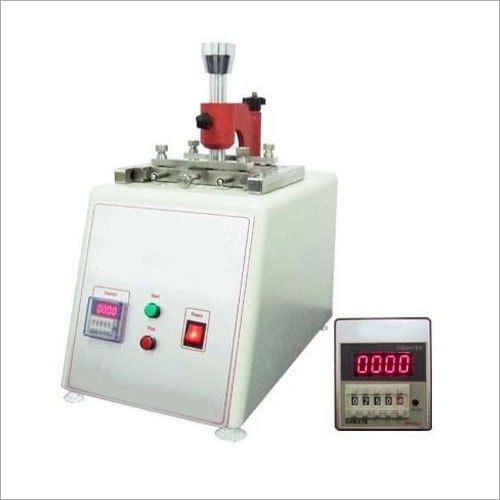

Price:
- 50
- 100
- 200
- 250
- 500
- 1000+

More Products in Color Fastness Testing Machine Category
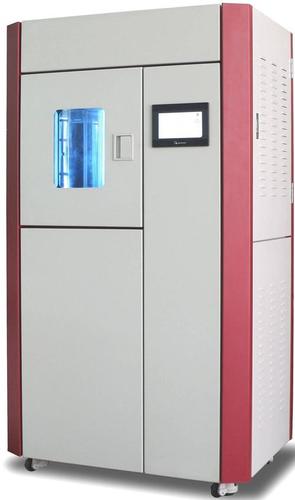
Light and Weather Fastness Tester
Price 4500000 INR / Unit
Minimum Order Quantity : 1 Unit
Power Source : Electric
Usage : Industrial Use
Material : Mild Steel Body
Type : Other, Light and Weather Fastness Tester
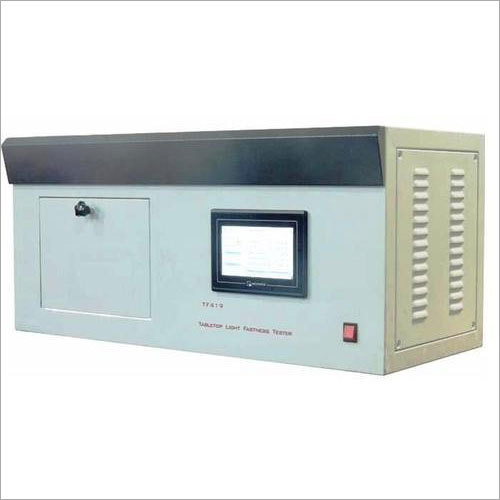
Tabletop Light Fastness Tester
Price 1300000 INR / Unit
Minimum Order Quantity : 1 Unit
Power Source : Elwctric
Usage : Industrial Use
Material : SS
Type : Fastness Tester

Rubbing Fastness (Gakushin) Tester - Gakushin type rubbing & Color Fastness Tester
Price 1300000 INR / Unit
Minimum Order Quantity : 1 Unit
Power Source : Electric
Usage : Industrial Use
Material : SS
Type : Color Fastness Tester
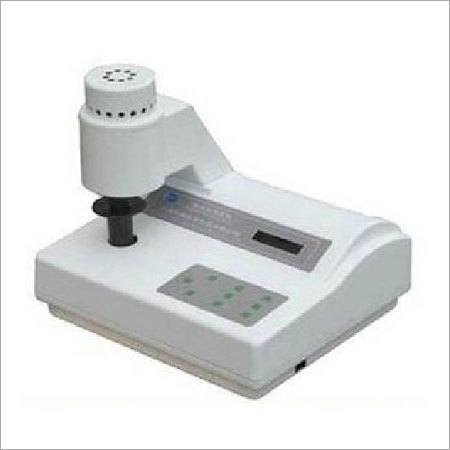
Brightness Tester
Minimum Order Quantity : 1 Unit
Power Source : Electric
Usage : Industrial Use
Material : SS
Type : Brightness Tester


- B, 314-315, Hub Town, Makarpura Bus Depot, Vadodara - 390010, Gujarat, India
- Phone : 07313726805

- Mr Vinodkumar Gaikwad (CEO)
- Mobile : 07313726805
- Send Inquiry
- A-40, Unnadeep Complex, Tower-A, Susen Tarsali Ring Road, Tarsali, Vadodara - 390010, Gujarat, India
Mr. Vinodkumar (CEO)
Mobile :+919998755997, +919558979952
 Send Inquiry
- Fiber Testing Machine
- Fabric Recovery Testing Machine
- Strength and Fatige Testing Machine
- Color Fastness Testing Machine
- Abrasion and Pilling Testing Machine
- Flammability Testing Machine
- Universal Testing Machine
- Shrinkage Testing Machine
- Sampling Machine
- Dyeing and Finishing Machine
- Geo Textile Non Woven Testing Equipment
- Color Machining Testing Equipment
- Cotton Ginning Machine
- Yarn Testing Machine
- Oil Extraction Apparatus
- Laboratory Air Compressor
- WIRE TESTING MACHINE
- Textile Testing Equipment
- Flammability Tester
- Pull Testers
- Fibers Testing Equipment & Machine
- Texture Analyzer


Developed and Managed by Infocom Network Private Limited.

