


 Opening Hours : Mon to Sat : 10 AM to 6 PM
 हमें कॉल करें :
07313726805
हमें कॉल करें :
07313726805

 जांच भेजें
मà¥à¤¨à¥à¤ ल वायर à¤à¥à¤°à¤¿à¤®à¥à¤ª पà¥à¤² सà¥à¤à¥à¤°à¥à¤à¤¥ à¤à¥à¤¸à¥à¤à¤°
मà¥à¤¨à¥à¤ ल वायर à¤à¥à¤°à¤¿à¤®à¥à¤ª पà¥à¤² सà¥à¤à¥à¤°à¥à¤à¤¥ à¤à¥à¤¸à¥à¤à¤° Specification
- नमी
- ≤ 85% RH (operating condition)
- परीक्षण सामग्री
- Copper and Aluminium wires, Insulated/Non-insulated Terminals
- टेस्ट रेंज
- 0 – 100 kgf
- नमूना आकार
- 0.1 mm² to 10 mm² wire cross section
- तापमान
- 15°C – 35°C
- नमूनों की संख्या
- Single specimen test
- टाइप करें
- मटेरियल
- High-grade anodized Aluminium Alloy, Stainless Steel components
- पावर
- पावर सोर्स
- Hand Operated
- आयाम (एल* डब्ल्यू* एच)
- 300 mm × 200 mm × 150 mm (approx.)
- वज़न
- 6 kg (approx.)
- उपयोग
- Crimp joint strength testing
- एप्लीकेशन
- Electrical wire harness, cable assemblies, automotive and electronics
- Maximum Tensile Force
- 100 kgf
- Finish
- Powder coated and chrome plated
- Calibration
- Provided with calibration certificate
- Standards Compliance
- Meets IPC/UL/ISO crimp pull test guidelines
- Jaw Type
- Adjustable vice or clamp
- Safety
- Overload protection
- Accessory
- Supplied with interchangeable crimp jaws/clamps
- Maintenance
- Low, easy to clean
- Resolution
- 0.1 kgf
- Operation Mode
- Manual lever arm or hand wheel
- Display Type
- Analog Dial Gauge
मà¥à¤¨à¥à¤ ल वायर à¤à¥à¤°à¤¿à¤®à¥à¤ª पà¥à¤² सà¥à¤à¥à¤°à¥à¤à¤¥ à¤à¥à¤¸à¥à¤à¤° Trade Information
- Minimum Order Quantity
- 1 Unit
- आपूर्ति की क्षमता
- प्रति सप्ताह
- डिलीवरी का समय
- दिन
- मुख्य निर्यात बाजार
- दक्षिण अमेरिका, पश्चिमी यूरोप, पूर्वी यूरोप, मिडल ईस्ट, एशिया, उत्तरी अमेरिका
- मुख्य घरेलू बाज़ार
- , , , , , , , , , , , , , , , , , , , , , , , , , , , , , , , , , , , , , , , , , , ऑल इंडिया
About मà¥à¤¨à¥à¤ ल वायर à¤à¥à¤°à¤¿à¤®à¥à¤ª पà¥à¤² सà¥à¤à¥à¤°à¥à¤à¤¥ à¤à¥à¤¸à¥à¤à¤°
Application:
It is an unique& economic instrument for tension/compression testing with good stability, wide application and convenient usage for manual operation. It is used for various application such as breaking strength, compression and tensile testing of Metal wire, crimp, Plastic Strip, HDPE Tape, yarn, strips & many more. Digital Force measurement devices is attached to measure the maximum breaking force in N, Kgf & Lbf..
Features:
- Simple & Hand Pressure operation,
- Able to be used with various kinds of fixtures.
- Compact design & Simple construction.
- Capacity : 500N (50Kg)
- Accuracy : 0.1N / 0.01kg / 0.02lb;
- Units : N, Kgf, Lbf
- Traveling Length : 200mm
- Data Output : RS232 communications
- Power/Air : 220 /110 V 50/60 Hz
- Weight : 20 Kg
- Dimensions : 450 x 400 x 700 mm(L x W x H)
Manual Wire Crimp Pull Strength Tester Manufacturer
Manual Wire Crimp Pull Strength Tester Supplier
Manual Wire Crimp Pull Strength Tester Exporter
Accurate Analog Measurement
Equipped with a high-resolution analog dial gauge, the tester allows for consistent and precise measurement of crimp pull strength, up to 100 kgf. The 0.1 kgf resolution ensures users can detect even minor variations in joint integrity, fulfilling quality assurance needs for sensitive wire connections.
Versatile Clamping for Various Wires
Featuring interchangeable and adjustable vice or clamp jaws, the instrument is suitable for testing a wide range of wire types and cross-sections (0.1 mm to 10 mm), including copper and aluminium wires, in insulated or non-insulated terminals. This versatility makes it a practical asset for manufacturing and assembly lines.
Manual, Safe, and Reliable Operation
The device operates manually without electricity, using a lever arm or hand wheel. Overload protection safeguards both the tester and the operator, while the powder-coated and chrome-plated finish ensures durability in demanding environments. Its low-maintenance design further adds to user convenience.
FAQs of Manual Wire Crimp Pull Strength Tester:
Q: How do I operate the Manual Wire Crimp Pull Strength Tester?
A: To use the tester, secure the wire specimen between the adjustable jaws or clamps. Choose the appropriate jaw type for the terminal size, then operate the manual lever arm or hand wheel to apply tension. The analog dial gauge displays the pull force, allowing you to observe the crimps break point or verify it meets specified strength limits.Q: What types and sizes of wires can this tester handle?
A: This device accommodates both copper and aluminium wires with cross-sectional areas ranging from 0.1 mm to 10 mm. It supports insulated and non-insulated terminals, making it suitable for electrical, automotive, and electronic cable assemblies.Q: When should calibration be performed on the tester?
A: The tester comes with a calibration certificate, but routine calibration intervals depend on usage frequency and internal quality standards. It is recommended to recalibrate at least annually or whenever accuracy is in doubt to ensure compliance with IPC, UL, and ISO guidelines.Q: Where is this tester best used?
A: Its portable and manual design makes it ideal for use in testing laboratories, production lines, quality control departments, and fieldwork within industries such as automotive, electrical manufacturing, and electronic assembly.Q: What is the process for changing the crimp jaws or clamps?
A: The tester includes interchangeable jaws or clamps, which can be swapped by loosening the locking mechanism, removing the current jaw, and installing the desired replacement. Ensure the jaws are securely fastened before use to maintain measurement safety and accuracy.Q: How does the tester ensure user safety during operation?
A: The device incorporates overload protection to prevent exceeding its maximum rated force, protecting users and maintaining instrument integrity. Its robust construction and stable base also contribute to safe usage during high-tension tests.Q: What are the main benefits of using this manual tester over electric models?
A: This tester requires no electrical power, making it easy to use in locations without readily available electricity. Its manual operation simplifies maintenance and enhances portability, while still delivering accurate, reliable results suitable for professional crimp testing applications.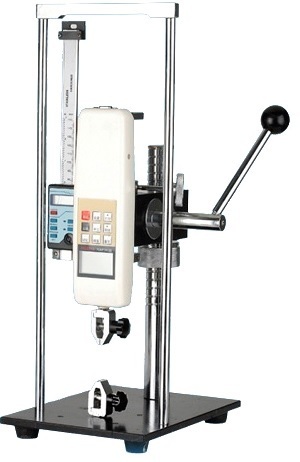

Price: Â
- 50
- 100
- 200
- 250
- 500
- 1000+

अधिक Products in WIRE TESTING MACHINE Category
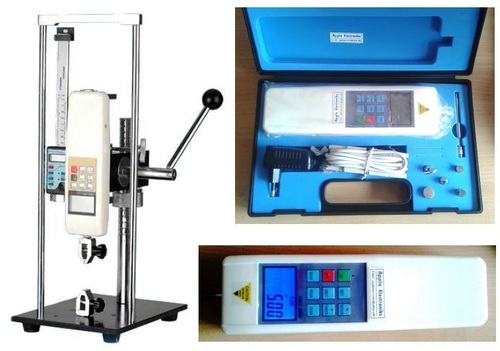
वायर क्रिम्प फोर्स टेस्टर
आयाम (एल* डब्ल्यू* एच) : 320 x 220 x 200 mm
पावर सोर्स : AC 220V, 50Hz
माप की इकाई : यूनिट/यूनिट
नमूना आकार : 0.08 10 mm2 wire section
टेस्ट रेंज : 0 1000 N
तापमान : 10C 40C
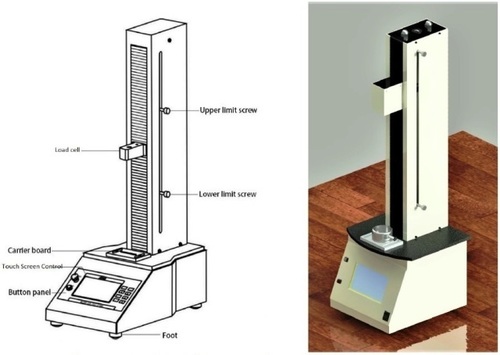
स्वचालित वायर क्रिम्प पुल टेस्टर
आयाम (एल* डब्ल्यू* एच) : 385 mm x 205 mm x 260 mm
पावर सोर्स : Electric
माप की इकाई : यूनिट/यूनिट, ,
नमूना आकार : Wire diameter 0.1 mm – 6 mm
टेस्ट रेंज : 01000 N
तापमान : 10°C ~ 35°C
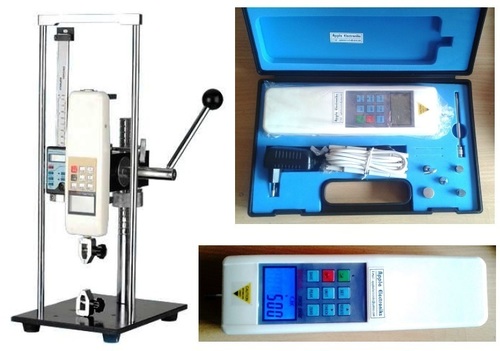
वायर क्रिम्प पुल टेस्टर
आयाम (एल* डब्ल्यू* एच) : 45 x 20 x 15 cm
पावर सोर्स : Hand Operated
माप की इकाई : यूनिट/यूनिट
नमूना आकार : 0.5 to 6 sq mm wires
टेस्ट रेंज : 0 100 kgf
तापमान : 10°C 40°C
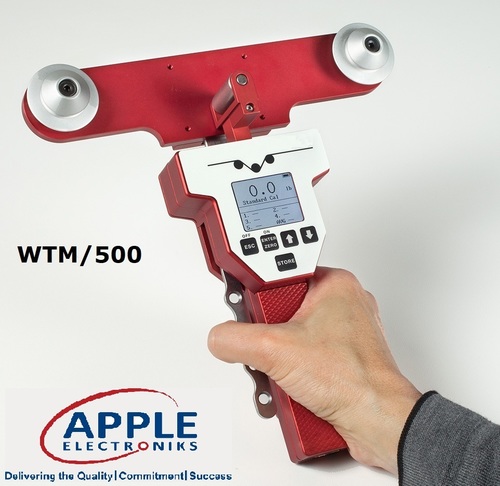
डिजिटल वायर टेंशन मीटर
आयाम (एल* डब्ल्यू* एच) : Approx. 210 x 80 x 40 mm
पावर सोर्स : Battery Operated (2 x AA)
माप की इकाई : यूनिट/यूनिट
नमूना आकार : Suitable for wire thickness 0.15mm
टेस्ट रेंज : 01000N
तापमान : 0°C to 50°C


- फ़ोन : 07313726805

- Mr Vinodkumar Gaikwad (CEO)
- मोबाइल : 07313726805
- जांच भेजें
- A-40, Unnadeep Complex, Tower-A, Susen Tarsali Ring Road, Tarsali, Vadodara - 390010, Gujarat, India
Mr. Vinodkumar (CEO)
मोबाइल :+919998755997, +919558979952
 जांच भेजें
- Textile Testing Equipment
- Textile Testing Equipment
- Textile Testing Equipment
- Textile Testing Equipment
- Textile Testing Equipment
- Textile Testing Equipment
- Textile Testing Equipment
- Textile Testing Equipment
- Textile Testing Equipment
- Textile Testing Equipment
- Textile Testing Equipment
- Textile Testing Equipment
- Textile Testing Equipment
- Textile Testing Equipment
- Textile Testing Equipment
- Textile Testing Equipment
- Textile Testing Equipment
- Textile Testing Equipment
- Textile Testing Equipment
- Textile Testing Equipment
- Textile Testing Equipment
- Textile Testing Equipment


इन्फोकॉम नेटवर्क प्राइवेट लिमिटेड . द्वारा विकसित एवं प्रबंधित

