


 Opening Hours : Mon to Sat : 10 AM to 6 PM
 Call us :
07313726805
Call us :
07313726805

 Send Inquiry
Demattia Flex Tester
Price 182680 INR/ Unit
Demattia Flex Tester Specification
- Test Material
- Rubber, Leather, Synthetic Materials
- Test Range
- Upto 100,000 flex cycles
- Specimen Size
- 75 mm x 25 mm
- Humidity
- Ambient
- Number of Specimens
- 6
- Temperature
- Room Temperature
- Material
- Mild Steel
- Power Source
- Electric
- Dimension (L*W*H)
- 550 mm x 370 mm x 400 mm (approximately)
- Weight
- 60 kg (approx.)
- Usage
- Laboratory
- Application
- Laboratory
- Noise Level
- Low
- Drive System
- Electric Motor with Eccentric Mechanism
- Stroke Length
- 57 ± 1 mm
- Finish
- Powder Coated Paint
- Display Type
- Mechanical Counter
- Clamping Jaw Material
- Precision Ground Steel
- Operation
- Continuous Automatic
- Speed
- 300 ± 10 cycles/min
Demattia Flex Tester Trade Information
- Minimum Order Quantity
- 1 Unit
- Supply Ability
- 10 Units Per Month
- Delivery Time
- 10 Days
About Demattia Flex Tester
| Frequency | 50Hz |
| Voltage | 220V |
| Material | SS |
| Display Type | Analog |
| Brand | Apple Electroniks |
| Country of Origin | Made in India |
Specifications:
- Specimens : 6 Samples or (Customize for 1-2 Samples or any no. of samples)
- Grips Distance : 19 - 75mm, 57 - 75mm (adjustable)
- Test frequency : 5 cycles/s (300cpm)
- Counter : 1 - 99999
Standards
ISO 7854, BS 3424-9, ISO 132, JIS-K6260, ASTM D813, ASTM D430, DIN EN ISO 20471
- Power/Air : 220 V 50 Hz
- Weight : 70 Kg
- Dimensions : 550 x 450 x 700mm (L x W x H)
Reliable Flex Testing for Multiple Materials
Engineered for rigorous laboratory use, the Demattia Flex Tester evaluates the durability of rubber, leather, and synthetic samples. Its advanced drive system and automatic operation enable high-throughput, consistent results. The system accommodates standard specimen sizes, providing critical data for product development and quality assurance.
Precision Engineering for Accurate Results
Equipped with precision ground steel clamping jaws and a mechanically counted display, this tester ensures meticulous measurements. The powder coated steel construction guarantees long-term use while minimizing maintenance, benefiting laboratories looking for both reliability and precision.
FAQ's of Demattia Flex Tester:
Q: How does the Demattia Flex Tester operate during material testing?
A: The tester uses an electric motor with an eccentric mechanism to repeatedly flex specimens at a rate of 300 10 cycles per minute. It securely holds up to six specimens in precision steel jaws and keeps count of flex cycles mechanically, allowing for continuous, automatic testing up to 100,000 cycles.Q: What materials can be evaluated using this flex tester?
A: It is designed for laboratory testing of rubber, leather, and various synthetic materials, making it ideal for quality control or research and development in industries utilizing flexible materials.Q: When should the Demattia Flex Tester be used in material development or quality control?
A: The tester is best employed during product development, material selection, or routine quality assurance to assess how materials withstand repeated flexing under ambient laboratory conditions.Q: Where can the Demattia Flex Tester be installed, and what are its space requirements?
A: With approximate dimensions of 550 mm x 370 mm x 400 mm, the tester is compact and suitable for laboratory benchtops or dedicated testing areas, requiring a nearby electric source for operation.Q: What is the typical process for running a test using this machine?
A: Specimens are cut to the specified size (75 mm x 25 mm), mounted into the clamping jaws, and the device is switched on to begin automated flexing. The mechanical counter tracks cycles until the desired threshold is achieved or until specimen failure is observed.Q: How is the test beneficial for manufacturers and researchers?
A: By simulating real-world flexing conditions, the tester provides insights into material endurance and helps manufacturers select or develop materials with optimal fatigue resistance, reducing product failure rates.Q: Can the device handle variations in temperature and humidity during operation?
A: The Demattia Flex Tester is designed for operation at room temperature and ambient humidity, aligning with standard laboratory environments for consistent and reliable results.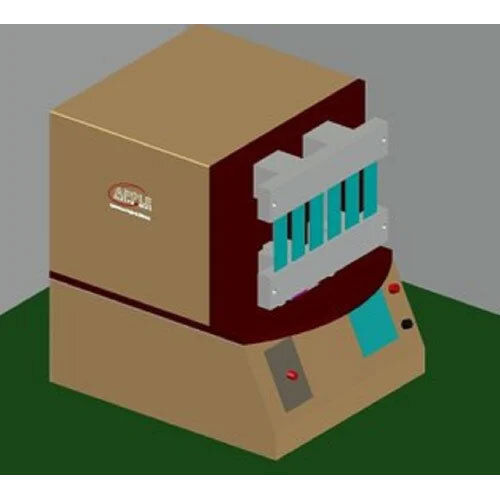

Price:
- 50
- 100
- 200
- 250
- 500
- 1000+

More Products in Textile Testing Equipment Category
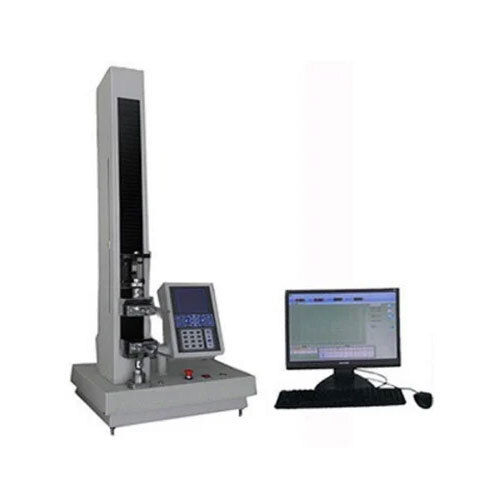
Fabric Ball Bursting Strength Tester
Price 1800000 INR / Unit
Minimum Order Quantity : 1 Unit
Test Material : Fabrics, textiles and similar flexible materials
Weight : Approx. 45 kg
Type : Fabric Ball Bursting Strength Tester
Application : Industrial
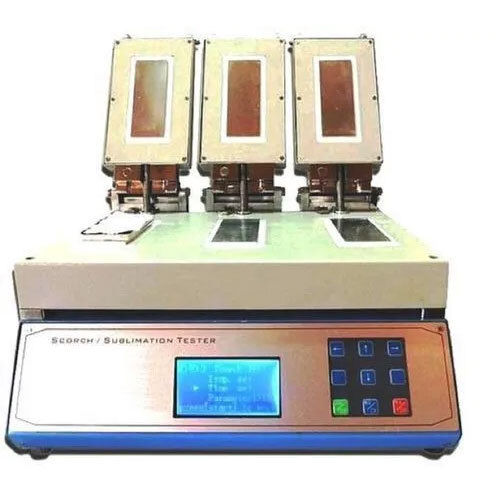
Scorch Tester Sublimation Fastness Tester
Price 650000 INR / Unit
Minimum Order Quantity : 1 Unit
Test Material : Textiles, fabrics, and other materials for sublimation and scorch fastness
Weight : Approx. 18 kg
Type : Scorch Tester Sublimation Fastness Tester
Application : Industrial
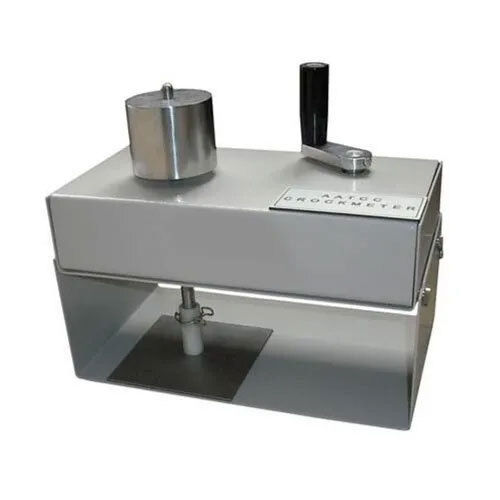
Rotary Crock Meter
Price 142680 INR / Unit
Minimum Order Quantity : 1 Unit
Test Material : Textile Fabrics
Weight : Approx. 6 kg
Type : Rotary Crock Meter
Application : Industrial
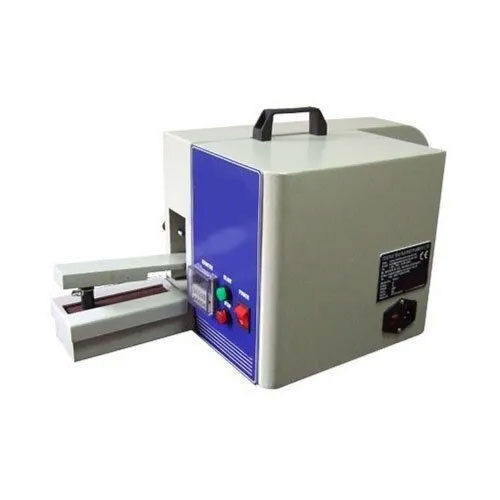
electronic aatcc crock meter
Price 292800 INR / Unit
Minimum Order Quantity : 1 Unit
Test Material : Textile, Fabric Samples
Weight : 15 kg
Type : electronic aatcc crock meter
Application : Laboratory


- B, 314-315, Hub Town, Makarpura Bus Depot, Vadodara - 390010, Gujarat, India
- Phone : 07313726805

- Mr Vinodkumar Gaikwad (CEO)
- Mobile : 07313726805
- Send Inquiry
- A-40, Unnadeep Complex, Tower-A, Susen Tarsali Ring Road, Tarsali, Vadodara - 390010, Gujarat, India
Mr. Vinodkumar (CEO)
Mobile :+919998755997, +919558979952
 Send Inquiry
- Fiber Testing Machine
- Fabric Recovery Testing Machine
- Strength and Fatige Testing Machine
- Color Fastness Testing Machine
- Abrasion and Pilling Testing Machine
- Flammability Testing Machine
- Universal Testing Machine
- Shrinkage Testing Machine
- Sampling Machine
- Dyeing and Finishing Machine
- Geo Textile Non Woven Testing Equipment
- Color Machining Testing Equipment
- Cotton Ginning Machine
- Yarn Testing Machine
- Oil Extraction Apparatus
- Laboratory Air Compressor
- WIRE TESTING MACHINE
- Textile Testing Equipment
- Flammability Tester
- Pull Testers
- Fibers Testing Equipment & Machine
- Texture Analyzer


Developed and Managed by Infocom Network Private Limited.

