


 Opening Hours : Mon to Sat : 10 AM to 6 PM
 हमें कॉल करें :
07313726805
हमें कॉल करें :
07313726805

 जांच भेजें
à¤à¥à¤°à¥à¤ रिà¤à¤µà¤°à¥ à¤à¥à¤¸à¥à¤à¤°
Price 1700000 आईएनआर/ Unit
à¤à¥à¤°à¥à¤ रिà¤à¤µà¤°à¥ à¤à¥à¤¸à¥à¤à¤° Specification
- नमूनों की संख्या
- 2 (One for warp, one for weft or two simultaneous)
- नमी
- Atmospheric or controlled, as per test standard
- तापमान
- Room Temperature (18C to 27C recommended)
- परीक्षण सामग्री
- Cotton, Polyester, Blended, and other woven/knitted fabrics
- टेस्ट रेंज
- 0 to 180 crease angle
- नमूना आकार
- 40 mm x 15 mm
- टाइप करें
- मटेरियल
- SS
- पावर
- पावर सोर्स
- Not Required (Manual Operated)
- आयाम (एल* डब्ल्यू* एच)
- मिलीमीटर (mm)
- वज़न
- किलोग्राम (kg)
- उपयोग
- Industrial Use
- एप्लीकेशन
- Textile Laboratories, Fabric Testing
- Calibration
- Supplied with calibration certificate
- Display Type
- Direct angle reading with pointer and scale
- Packing
- Supplied in protective, export-worthy packaging
- Scale Division
- 1 graduation
- Test Method
- Shirley or AATCC standard method for crease recovery
- Finish
- Powder coated and chrome plated parts for durability
- Accessories
- Loading device, weights, specimen holders, stop watch
à¤à¥à¤°à¥à¤ रिà¤à¤µà¤°à¥ à¤à¥à¤¸à¥à¤à¤° Trade Information
- Minimum Order Quantity
- 1 Unit
- आपूर्ति की क्षमता
- प्रति सप्ताह
- डिलीवरी का समय
- हफ़्ता
- मुख्य घरेलू बाज़ार
- ऑल इंडिया, , , , , , , , , , , , , , , , , , , , , , , , , , , , , , , , , , , , , , , , , ,
About à¤à¥à¤°à¥à¤ रिà¤à¤µà¤°à¥ à¤à¥à¤¸à¥à¤à¤°
Facilitated by technically advanced process, we are offering a distinguished assortment of Crease Recovery Tester. These testers are used for determining the property of textile to get those recover from crease by measuring the recovery angle. This tester is widely demanded by our customers worldwide for its easy usage, low maintenance and longer working life. Being popular among our clients due to its unique attributes, this Crease Recovery Tester is used in textile industries to access the crease recovering properties of different fabrics.
Specifications:
- Standards : ISO 2313, AATCC 66, BS EN 22313
- Weight : 5 Kg
- Dimensions : 170 x 170 x 360 mm(L x W x H)
Direct Angle Measurement for Accurate Results
Equipped with a clear pointer and scale, the Crease Recovery Tester allows for direct, precise reading of crease angles up to 180 degrees. The one-degree graduation ensures accuracy in every test, aiding detailed fabric research. Observation is straightforward and immediate, making it user-friendly for both frequent testing and training purposes.
Durable Construction for Long-Lasting Use
Constructed from stainless steel components with powder coating and chrome plating, the tester offers both robustness and resistance to wear. This guarantees consistent performance even in busy industrial and laboratory environments. Accessories like weights, specimen holders, and a stop watch are included for comprehensive functionality.
Standards-Compliant Testing for Reliable Data
This instrument adheres to internationally recognized methods such as Shirley or AATCC for crease recovery testing. Its usage in textile laboratories enhances quality assurance by providing reproducible, standards-compliant results on various fabrics-including cotton, polyester, blends, and more.
FAQ's of Crease Recovery Tester:
Q: How is the crease recovery test performed with this instrument?
A: To conduct a test, prepare fabric specimens and place them in the specimen holders. Follow the Shirley or AATCC standards to crease and load the samples. After the specified recovery period, use the direct reading scale and pointer to measure the recovered crease angle. Each unit allows testing of two specimens for warp and weft directions or simultaneous testing.Q: What types of fabrics can be tested using the Crease Recovery Tester?
A: This instrument is designed for evaluating a wide range of fabrics, including cotton, polyester, blended textiles, and other woven or knitted materials. Its capabilities support research and quality control in textile laboratories and industrial settings.Q: When should I use the calibration certificate supplied with the tester?
A: Use the calibration certificate upon receiving the instrument to confirm measurement accuracy, and refer to it during scheduled maintenance or recalibration, ensuring ongoing precision in test readings according to industry standards.Q: Where is the Crease Recovery Tester typically used?
A: The tester is primarily used in textile laboratories and industrial quality control facilities. It is suitable for manufacturers, exporters, and suppliers within the textile industry, providing objective data on fabric performance.Q: What are the benefits of using a manual, non-powered tester?
A: Manual operation eliminates the need for an external power source, offering flexibility and reliability in diverse environments. It also reduces ongoing operational costs and facilitates straightforward, low-maintenance use.Q: How do controlled temperature and humidity affect testing?
A: Performing tests at the recommended room temperature (18C to 27C) and, if necessary, controlled humidity conditions enhances result consistency and ensures compliance with test standards, leading to more reliable data.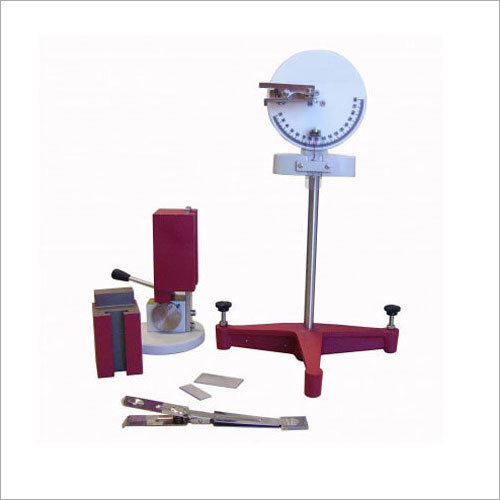

Price: Â
- 50
- 100
- 200
- 250
- 500
- 1000+

अधिक Products in Fabric Recovery Testing Machine Category
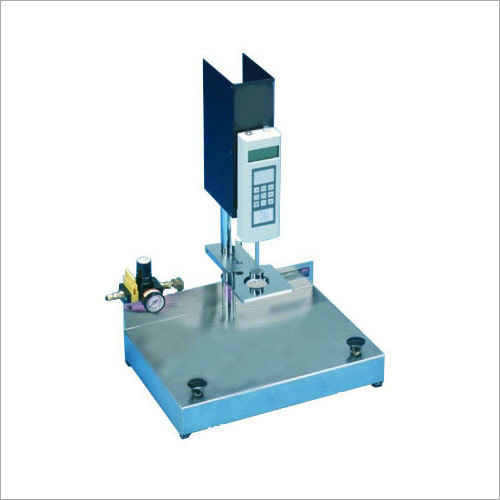
स्टिफनेस न्यूमेटिक टेस्टर
मूल्य की इकाई : यूनिट/यूनिट
माप की इकाई : यूनिट/यूनिट
टाइप करें : ,
मटेरियल : SS
आयाम (एल* डब्ल्यू* एच) : मिलीमीटर (mm)
उपयोग : Industrial Use
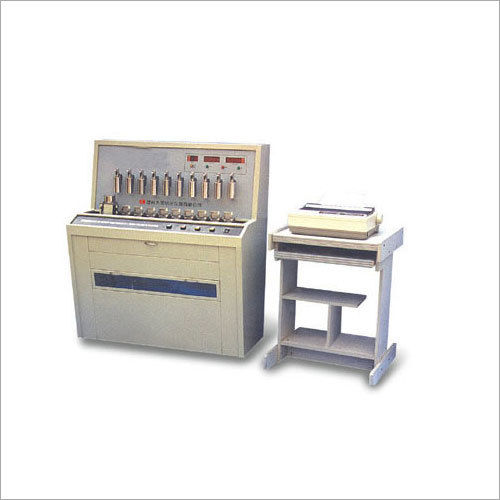
क्रीज रिकवरी टेस्टर - डिजिटल
मूल्य की इकाई : यूनिट/यूनिट
माप की इकाई : यूनिट/यूनिट
टाइप करें : ,
मटेरियल : SS
आयाम (एल* डब्ल्यू* एच) : मिलीमीटर (mm)
उपयोग : Industrial Use
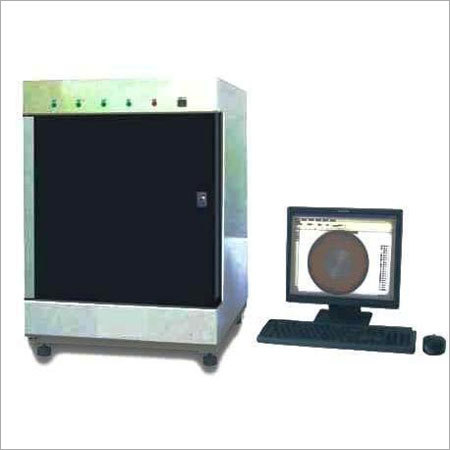
फैब्रिक ड्रेप टेस्टर
मूल्य की इकाई : यूनिट/यूनिट
माप की इकाई : यूनिट/यूनिट
टाइप करें : ,
मटेरियल : SS
आयाम (एल* डब्ल्यू* एच) : मिलीमीटर (mm)
उपयोग : Industrial Use
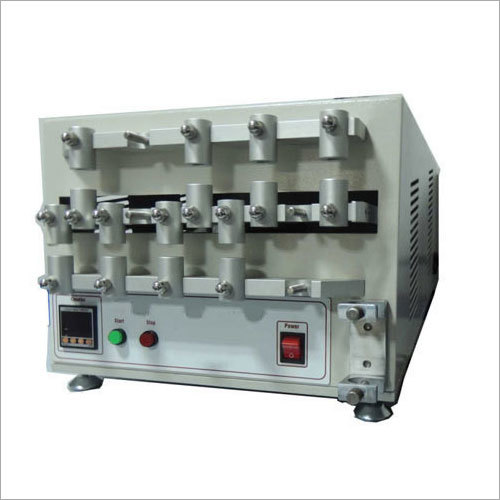
शिल्डकनेच फ्लेक्सिंग टेस्टर
मूल्य की इकाई : यूनिट/यूनिट
माप की इकाई : यूनिट/यूनिट
मटेरियल : SS
आयाम (एल* डब्ल्यू* एच) : मिलीमीटर (mm)
उपयोग : Industrial Use


- फ़ोन : 07313726805

- Mr Vinodkumar Gaikwad (CEO)
- मोबाइल : 07313726805
- जांच भेजें
- A-40, Unnadeep Complex, Tower-A, Susen Tarsali Ring Road, Tarsali, Vadodara - 390010, Gujarat, India
Mr. Vinodkumar (CEO)
मोबाइल :+919998755997, +919558979952
 जांच भेजें
- Textile Testing Equipment
- Textile Testing Equipment
- Textile Testing Equipment
- Textile Testing Equipment
- Textile Testing Equipment
- Textile Testing Equipment
- Textile Testing Equipment
- Textile Testing Equipment
- Textile Testing Equipment
- Textile Testing Equipment
- Textile Testing Equipment
- Textile Testing Equipment
- Textile Testing Equipment
- Textile Testing Equipment
- Textile Testing Equipment
- Textile Testing Equipment
- Textile Testing Equipment
- Textile Testing Equipment
- Textile Testing Equipment
- Textile Testing Equipment
- Textile Testing Equipment
- Textile Testing Equipment


इन्फोकॉम नेटवर्क प्राइवेट लिमिटेड . द्वारा विकसित एवं प्रबंधित

