


 Opening Hours : Mon to Sat : 10 AM to 6 PM
 हमें कॉल करें :
07313726805
हमें कॉल करें :
07313726805

 जांच भेजें
à¤à¥à¤à¤¨ माà¤à¤à¥à¤°à¥à¤¨à¥à¤¯à¤° à¤à¥à¤¸à¥à¤à¤°
à¤à¥à¤à¤¨ माà¤à¤à¥à¤°à¥à¤¨à¥à¤¯à¤° à¤à¥à¤¸à¥à¤à¤° Specification
- नमूनों की संख्या
- Single Specimen
- नमूना आकार
- 8g Sample
- नमी
- Up to 65% RH
- तापमान
- 10C to 40C
- टेस्ट रेंज
- 2-7 Micronaire
- गैस का दबाव
- 0.2-0.3 Mpa
- पोर्ट का आकार
- 1/4 inch
- परीक्षण सामग्री
- Cotton Fiber
- टाइप करें
- मटेरियल
- SS
- पावर
- पावर सोर्स
- Electric
- उपयोग
- Industrial Use
- एप्लीकेशन
- Textile Industry, Quality Laboratory
- Operation
- Manual/Automatic Air Flow Adjustment
- Display
- Analog / Digital Readout
- Packaging Type
- Wooden/Export Grade Carton
- Accuracy
- 0.02 Micronaire
- Finish
- Powder Coated with Anti-Rust Treatment
- Accessories
- Supplied with Cleaning Brush, Power Cord, and Sample Holders
- Compliance
- IS: 11056-1984, ASTM D 1448
- Safety Features
- Overload Protection, Earthing Provision
- Calibration
- Supplied with Standard Calibration Pads
à¤à¥à¤à¤¨ माà¤à¤à¥à¤°à¥à¤¨à¥à¤¯à¤° à¤à¥à¤¸à¥à¤à¤° Trade Information
- Minimum Order Quantity
- 1 , , Unit
- आपूर्ति की क्षमता
- प्रति सप्ताह
- डिलीवरी का समय
- हफ़्ता
- मुख्य घरेलू बाज़ार
- , , , , , , , , , , , , , , , , , , , , , , , , , , , , , , , , , , , , , , , , , , ऑल इंडिया
About à¤à¥à¤à¤¨ माà¤à¤à¥à¤°à¥à¤¨à¥à¤¯à¤° à¤à¥à¤¸à¥à¤à¤°
In line with clients' diverse requirements across the country, we are providing a commendable assortment of Cotton Micronaire Tester. This is widely used for checking the quality of cotton. High performance, low maintenance and energy efficient are some qualities of offered tester. Our in-house quality testing unit enable us to deliver defect-free range at customer end. Clients can avail the offered Cotton Micronaire Tester from us in different technical specifications at industry leading prices.
Specifications
- Micronaire value range : 2.5-6.0
- Specimen weight : 5+/-0.01g
- Standards : ISO 2403,BS 3181,ASTM D1448
- Power : 220 /110 V 50/60 Hz
- Weight : 35 Kg
- Dimensions : 280x160X560 mm(L x W x H)
Cotton Micronaire Tester Manufacturer
Cotton Micronaire Tester Supplier
Cotton Micronaire Tester Exporter
Accurate and Reliable Cotton Testing
The Cotton Micronaire Tester offers unparalleled accuracy, with a readout precision of 0.02 micronaire, ensuring you can reliably assess cotton quality. This is ideal for use in textile mills, quality control laboratories, and for exporters requiring standardized testing procedures. Its adherence to international and Indian standards further underscores its reliability and industry acceptance.
User-Friendly Operation and Flexibility
Designed to accommodate both manual and automatic air flow adjustments, the tester caters to varied operator preferences and sample requirements. The instrument's clear analog or digital display allows for easy reading, while operation is straightforward, thanks to included sample holders, a power cord, calibration pads, and a cleaning brush.
Durable Construction for Industrial Demands
Engineered from stainless steel and protected by a powder-coated, anti-rust finish, this micronaire tester withstands industrial conditions. Overload protection and earthing provision enhance operational safety, while the export-grade wooden carton packaging ensures safe transit and storage, making it suitable for both domestic and international supply chains.
FAQ's of Cotton Micronaire Tester:
Q: How do I calibrate the Cotton Micronaire Tester before use?
A: Calibration is performed using the supplied standard calibration pads. You simply place the calibration pad in the specimen holder, select the calibration function, and follow the instructions on the display. Regular calibration ensures measurement consistency and accuracy as required by IS: 11056-1984 and ASTM D 1448 standards.Q: What application areas are suitable for this tester?
A: This tester is primarily designed for the textile industry and quality control laboratories, but it is equally suited for exporters, manufacturers, and suppliers who need precise cotton fiber analysis. It measures cotton quality in both production and research settings.Q: When should I perform maintenance or cleaning on the instrument?
A: It is recommended to clean the instrument after every series of tests or at least daily when in continuous use. The included cleaning brush helps keep the sample chamber free of residual fibers, ensuring reliable operation and extending the device's life.Q: Where should I install and operate the micronaire tester for best results?
A: Install the tester in a controlled environment with a temperature between 10C and 40C and humidity up to 65% RH. Ensure the instrument is placed on a stable, vibration-free surface near a grounded 220V AC, 50Hz power source and away from sources of dust or excessive moisture.Q: What is the process for testing a cotton fiber sample?
A: To test, weigh an 8g cotton fiber sample and insert it into the single-specimen holder. Adjust air flow manually or automatically as needed, then start the test. The display will show the micronaire value, indicating the fineness and maturity of the sample based on the calibrated settings.Q: How can the cotton micronaire measurement benefit my quality control process?
A: Accurate micronaire readings enable objective assessment of cotton quality, impacting yarn strength, softness, and dye uptake. This supports better quality control, optimizes production processes, and ensures compliance with customer and regulatory requirements, providing a competitive advantage in cotton trading and textile production.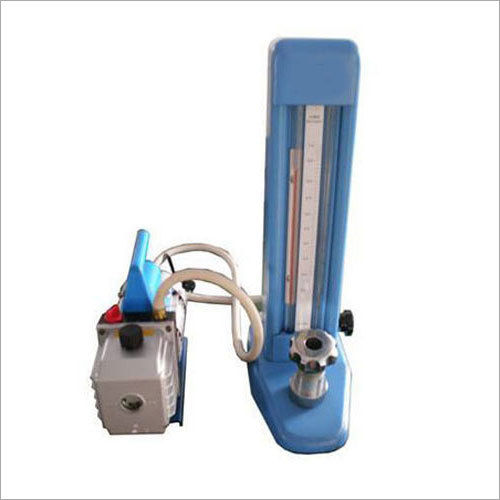

Price: Â
- 50
- 100
- 200
- 250
- 500
- 1000+

अधिक Products in Fiber Testing Machine Category
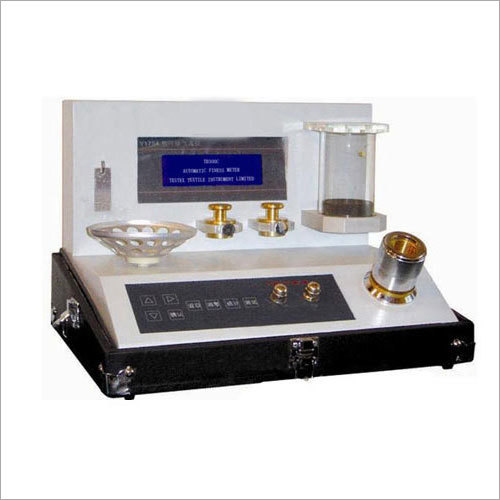
डिजिटल माइक्रोनेयर टेस्ट
टाइप करें : ,
मूल्य की इकाई : यूनिट/यूनिट
पावर सोर्स : Electric
उपयोग : Industrial Use
मटेरियल : SS
आयाम (एल* डब्ल्यू* एच) : मिलीमीटर (mm)
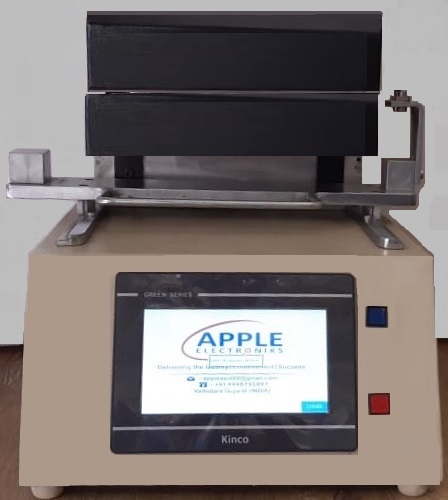
एफएसटी/फोर्स एंड श्रिंकेज टेस्टर
टाइप करें : ,
मूल्य की इकाई : नंबर
पावर सोर्स : Electric
उपयोग : Measurement of force and shrinkage properties of textiles, plastics, and similar test materials
मटेरियल : Stainless Steel and Highgrade Aluminum Alloy
आयाम (एल* डब्ल्यू* एच) : 600 x 400 x 800 mm
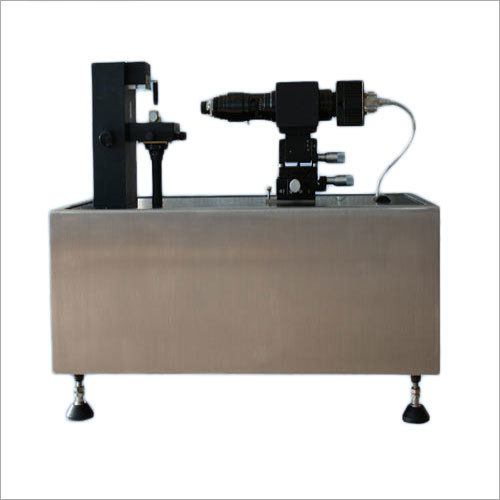
फाइबर लेंथ टेस्टर
टाइप करें : ,
मूल्य की इकाई : यूनिट/यूनिट
पावर सोर्स : Electric
उपयोग : Laboratory Use for Textile Testing
मटेरियल : Mild Steel
आयाम (एल* डब्ल्यू* एच) : 665 x 175 x 250 mm
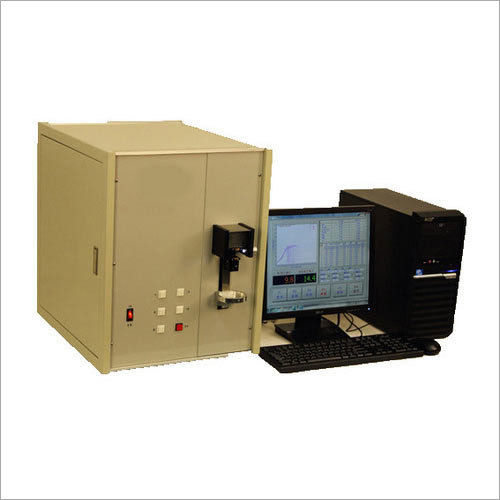
फाइबर लीनियर डेंसिटी टेस्टर
टाइप करें : ,
मूल्य की इकाई : यूनिट/यूनिट
पावर सोर्स : Electric
उपयोग : To determine linear density (denier or tex) of textile fibers
मटेरियल : Mild Steel
आयाम (एल* डब्ल्यू* एच) : 500 mm x 200 mm x 450 mm


- फ़ोन : 07313726805

- Mr Vinodkumar Gaikwad (CEO)
- मोबाइल : 07313726805
- जांच भेजें
- A-40, Unnadeep Complex, Tower-A, Susen Tarsali Ring Road, Tarsali, Vadodara - 390010, Gujarat, India
Mr. Vinodkumar (CEO)
मोबाइल :+919998755997, +919558979952
 जांच भेजें
- Textile Testing Equipment
- Textile Testing Equipment
- Textile Testing Equipment
- Textile Testing Equipment
- Textile Testing Equipment
- Textile Testing Equipment
- Textile Testing Equipment
- Textile Testing Equipment
- Textile Testing Equipment
- Textile Testing Equipment
- Textile Testing Equipment
- Textile Testing Equipment
- Textile Testing Equipment
- Textile Testing Equipment
- Textile Testing Equipment
- Textile Testing Equipment
- Textile Testing Equipment
- Textile Testing Equipment
- Textile Testing Equipment
- Textile Testing Equipment
- Textile Testing Equipment
- Textile Testing Equipment


इन्फोकॉम नेटवर्क प्राइवेट लिमिटेड . द्वारा विकसित एवं प्रबंधित

